
From convenience to social anxiety, texting is changing how people connect. But as digital conversations grow, face-to-face communication may be losing ground.
For many people, sending a text has become easier than making a phone call, and meeting in person can feel like an even bigger commitment. Whether it is arranging a meeting, checking on a friend or discussing something important, a quick message often seems to be the preferred option. The shift reflects how technology has changed everyday communication, making it possible to stay connected without having to speak directly.
One reason texting is so appealing is the control it offers. Unlike a phone call, which requires both people to engage in real time, a text allows the recipient to respond when convenient. People can take time to consider their words, edit a message before sending it and avoid the pressure of having to answer immediately. For those juggling work, family responsibilities and busy schedules, texting can also be a practical way to communicate without interrupting other activities.
There is also a psychological side to the trend. Some people find face-to-face conversations uncomfortable because they involve reading body language, maintaining eye contact and reacting instantly to another person’s emotions. Texting can reduce that pressure, particularly when discussing sensitive subjects or communicating with someone they do not know well. For people who experience social anxiety, a written message may feel like a safer starting point. However, not everyone who prefers texting is avoiding people; for many, it is simply the communication style they have grown accustomed to.
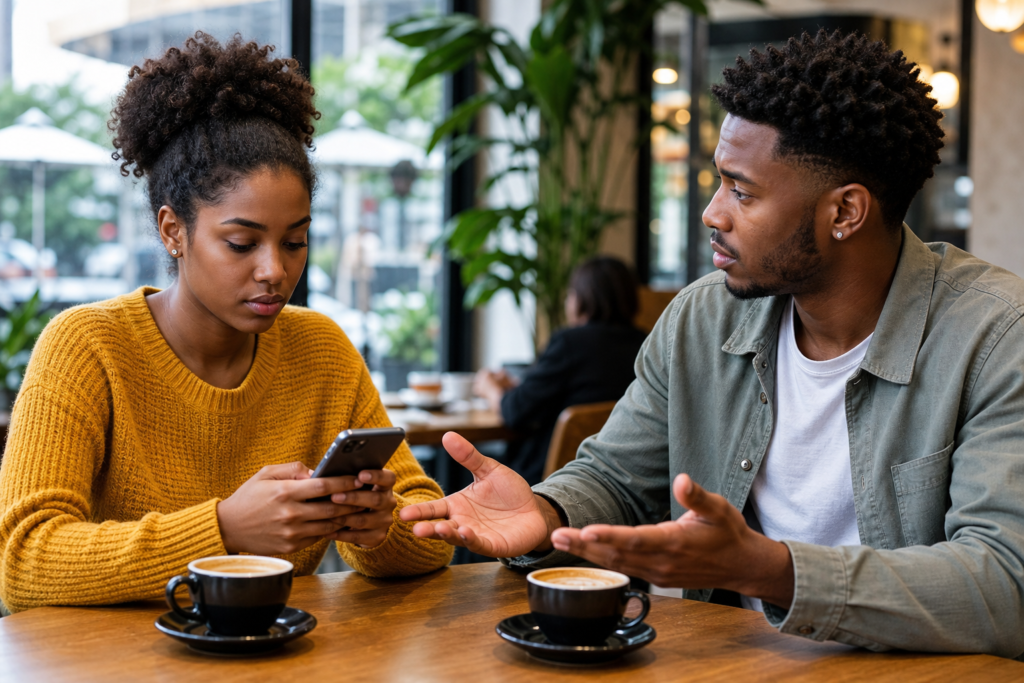
Social media and messaging apps have also helped make written communication a normal part of relationships. Friends can exchange messages throughout the day without arranging a call, while family members living in different countries can remain in touch across time zones. Short messages, emojis, voice notes and shared videos have created new ways of expressing feelings and maintaining relationships. Yet the convenience of digital communication can sometimes encourage people to substitute frequent messages for meaningful conversations.
The downside is that texts do not always convey tone or intention accurately. A brief response may be interpreted as rude, while a delayed reply can create unnecessary worry or misunderstanding. In more serious conversations, the absence of facial expressions and vocal cues can make it harder to understand what another person really means. Texting can also leave people feeling disconnected if it becomes their main form of communication, even when their phones are constantly active.
Still, texting is not necessarily destroying human connection. It can help people maintain relationships, overcome the initial awkwardness of meeting someone new and communicate when distance makes an in-person conversation impossible. The challenge is knowing when a message is enough and when a phone call or face-to-face discussion would be more appropriate.
As communication habits continue to evolve, the question is not whether texting is better than talking, but whether convenience is beginning to take priority over genuine connection. A message can start a conversation, but some discussions benefit from hearing another person’s voice, seeing their reaction and giving them undivided attention. In a world where people can reach one another instantly, making time for a real conversation may be more important than ever.