
The United Nations can convene nations and authorize peacekeeping missions. But it has no army to enforce decisions.
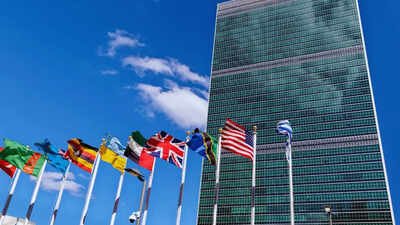
The United Nations was founded in 1945 to prevent another world war, and its powers were deliberately built around persuasion rather than command. Under its founding charter, the organization can pass resolutions, authorize peacekeeping deployments, impose sanctions, and refer disputes to the International Court of Justice. The General Assembly, made up of all 193 member states, can debate and recommend action on almost any global issue, giving smaller nations a platform they would not otherwise have.
Real enforcement power, however, is concentrated in the 15-member Security Council, and even there it is limited. Only the council can authorize binding sanctions or the use of force, and any one of its five permanent members — the United States, Russia, China, France and the United Kingdom — can veto a resolution outright. That veto has repeatedly blocked action on conflicts from Syria to Ukraine, leaving the body able to condemn but not always to intervene.
Beyond security matters, the U.N.’s influence is most visible in humanitarian and development work. Agencies such as the World Health Organization, UNICEF and the World Food Programme deliver aid, coordinate disease response and set global health standards, work that depends on member-state funding and cooperation rather than any independent authority. Peacekeepers, similarly, operate only with the consent of the host government and the troop-contributing nations that supply them.
Analysts note that the U.N.’s core limitation is structural: it was designed as a forum for sovereign states, not a government above them, and it has no independent means of compelling compliance. Its authority ultimately rests on diplomatic legitimacy and the willingness of powerful member states to back its decisions, which is why critics and supporters alike describe it as an indispensable but often outmatched institution in the face of major-power disputes.
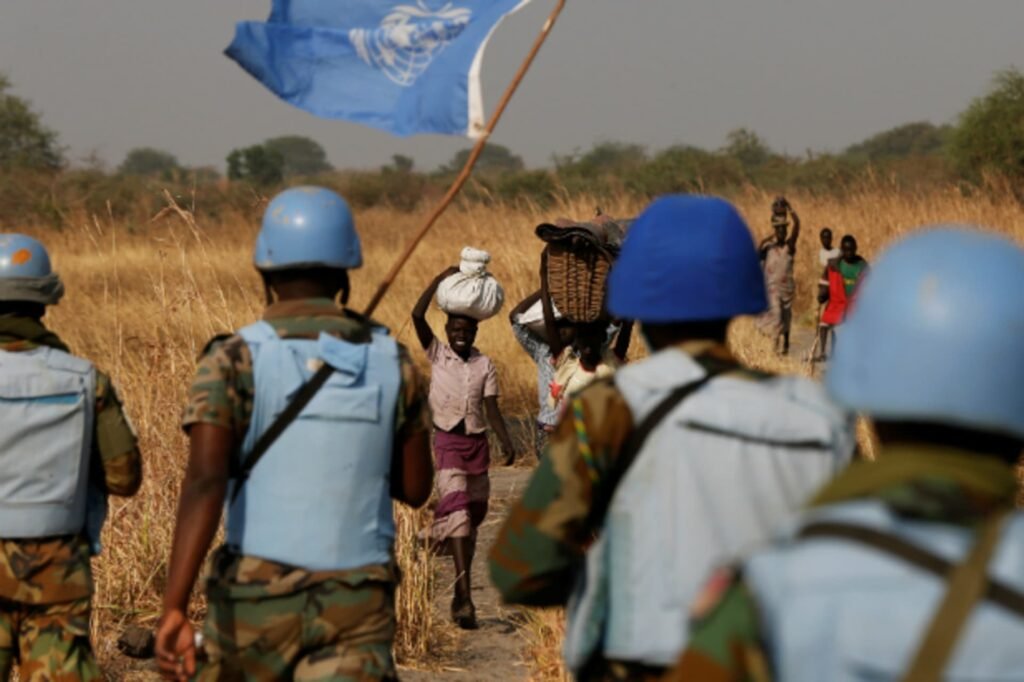
The organization’s operations are financed largely through assessed contributions from member states, calculated according to each country’s share of the global economy, supplemented by voluntary funding for specific agencies and programs. The United States has historically been the largest single contributor to the regular budget and to peacekeeping operations, giving Washington outsized influence over funding decisions even though its vote in the General Assembly counts the same as any other member state’s. Chronic arrears from several member states have periodically forced budget cuts and hiring freezes, constraining the U.N.’s day-to-day operations independent of any political dispute.
The organization’s track record illustrates both the value and the limits of its authority. U.N.-authorized missions have overseen the end of colonial-era conflicts, monitored ceasefires, and helped rebuild state institutions in post-conflict countries. But the body’s history also includes well-documented failures, including its inability to prevent the 1994 genocide in Rwanda or the 1995 massacre at Srebrenica during the Bosnian war, both of which occurred despite the presence of U.N. peacekeepers on the ground. Those episodes are frequently cited by scholars as evidence of the gap between the organization’s mandate and the resources or political will member states are willing to provide it.
Calls to reform the Security Council’s permanent membership have circulated for decades, with countries including India, Brazil, Japan, Germany and several African nations arguing that a body reflecting the geopolitical balance of 1945 no longer represents today’s world. Any such reform would require approval from two-thirds of the General Assembly and ratification by all five existing permanent members, each of which retains veto power over the very process that could dilute its influence — a structural hurdle that has kept council membership largely unchanged since the U.N.’s founding.
This report draws on the United Nations Charter and publicly available U.N. documentation, alongside independent analysis by Aurax News.