
Iran said it received Washington’s formal response to its Hormuz reopening plan. The two sides remain divided over sequencing.
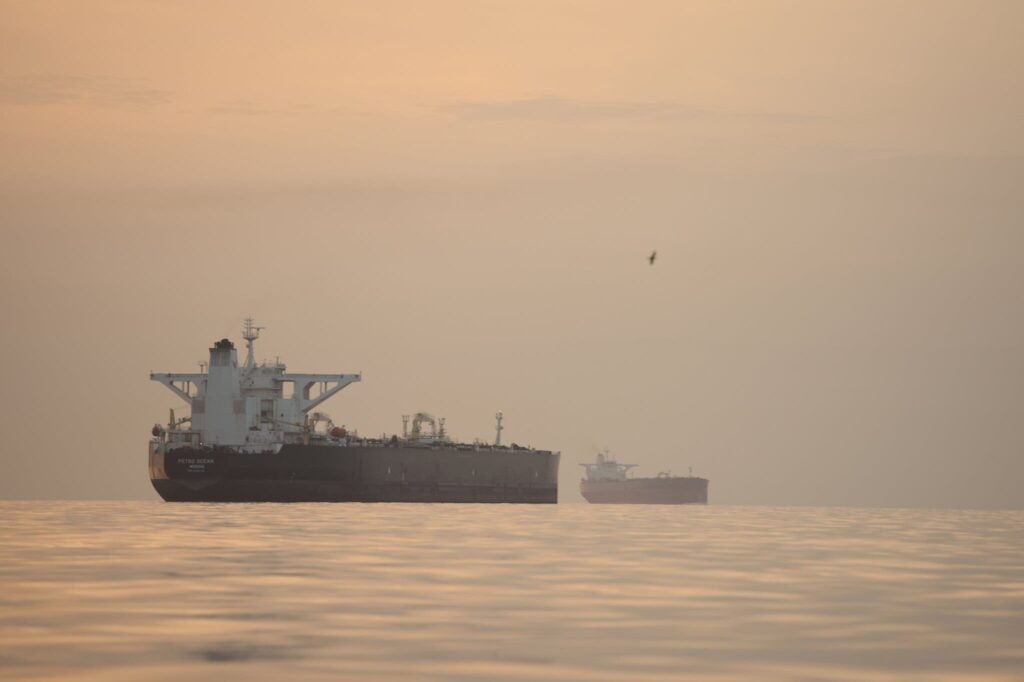
Iran said Wednesday it has received a formal U.S. response to its proposal for reopening the Strait of Hormuz, moving the seven-month war into a new phase in which the two sides are no longer disputing whether to negotiate but the order in which each side must act first. Foreign Minister Abbas Araghchi presented the American document to President Masoud Pezeshkian during the Cabinet’s weekly meeting in Tehran, government spokeswoman Fatemeh Mohajerani told the state-run IRNA news agency, though officials did not disclose what the response contained or whether it amounted to a rejection.
Araghchi received the response from U.S. officials through Qatari mediators during a stopover in Doha on Tuesday, according to Reuters, and was expected to brief Iranian leadership on it in Tehran the same day. A source familiar with the exchange told Reuters that the core disagreement between the two sides centers on implementation sequencing, namely, whether the U.S. should lift its naval blockade and unfreeze Iranian assets before Iran reopens the strait, or whether Iran must act first. The proposal aims to build trust and return to a strengthened version of a ceasefire memorandum of understanding signed in June, which later collapsed.
Iran’s original seven-day plan, floated last week on the sidelines of the U.N. General Assembly during Araghchi’s meetings with U.S. envoys Steve Witkoff and Jared Kushner, asked Washington to halt military operations across the Middle East, including in Lebanon, release roughly $12 billion in frozen Iranian assets, lift sanctions on Iranian oil exports and end its naval blockade of Iranian ports, conditions Araghchi has described as commitments the U.S. already made in June. President Trump publicly rejected the plan over the weekend, calling it unacceptable and saying Iran wanted a deal because it was “losing so badly.” Despite the public rejection, mediators have continued working with both governments on a resolution, according to officials speaking on condition of anonymity because they were not authorized to comment publicly.
Iran’s Supreme National Security Council secretary, Mohsen Rezaei, confirmed on state television that Araghchi was authorized to convey Iran’s conditions to U.S. officials through intermediaries in New York, an unusual public statement of the foreign minister’s negotiating mandate that appeared aimed at addressing hardline domestic criticism. Mohajerani said any final agreement “must now be based on a win-win strategy.”
This report is based on information from Reuters, the Associated Press (via The Hill), the Washington Times and HNGN.