
Trump rejected Iran’s Hormuz reopening proposal on Saturday. Iran says it will not change its conditions.
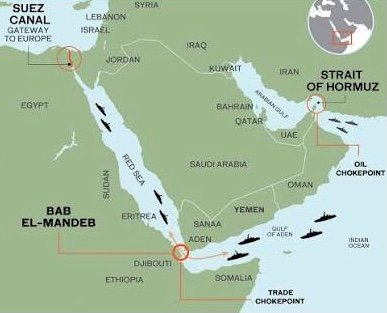
The United States and Iran remain at an impasse over the Strait of Hormuz after President Donald Trump rejected Tehran’s proposal to reopen the waterway within seven days, and Iranian Foreign Minister Abbas Araghchi said only a negotiated solution can end the conflict. Speaking to reporters outside the White House before leaving for a college football game, Trump called the offer unacceptable, saying Iran wanted a deal because it was “losing so badly.” “I’m rejecting their deal,” he said.
Iran’s proposal, raised during talks on the sidelines of the UN General Assembly in New York, called for the U.S. to lift its naval blockade of Iranian ports, waive sanctions on Iranian oil sales and observe a ceasefire extending to Lebanon in exchange for reopening the strait to commercial shipping within seven days. Araghchi said on Telegram that the conditions matched those in a memorandum of understanding the two countries signed in June, and that Iran would wait for a “definitive” U.S. response before deciding how to proceed, noting Trump had made contradictory statements in the past. The strait, through which roughly a fifth of the world’s oil and gas supply typically flows, has been effectively closed since the U.S. and Israel attacked Iran in late February, with vessel traffic dropping sharply amid Iranian threats and attacks on shipping.
U.S. Ambassador to NATO Matthew Whitaker backed the rejection in an interview with Fox News, saying Iran had offered “half measures” intended to make itself look good internationally. Separately, Iranian President Masoud Pezeshkian, also in New York for the UN gathering, told CBS News that the distrust built up during the war needs to be overcome for talks to succeed, and said Iran was open to implementing the June memorandum in stages if the U.S. showed it did not intend to overthrow Iran’s government. He accused Washington of having “torn up” that agreement when it resumed bombing.
The standoff has continued to strain global energy markets, with oil prices remaining elevated since the closure disrupted regional shipping. The Trump administration has paired its rejection with continued economic pressure under what it calls “Operation Economic Outcast.” Treasury Secretary Scott Bessent said sanctions were taking a toll on Iran, noting that Turkey, Oman and the UAE had halted flights from Iranian airlines and that banks in the UAE and Turkey had stopped transactions with Tehran. Some economists have questioned the sanctions’ effectiveness, given that China, Iran’s largest oil buyer, has continued trading with Tehran despite past measures. Oman, which has mediated between the two countries, called on all parties at the UN General Debate to maintain open dialogue to protect navigation through the strai
This report draws on information from the BBC, The Associated Press, Al Jazeera and CBS News