
The United States and China agreed to cut tariffs. The agreement covers $30 billion and expands AI dialogue.
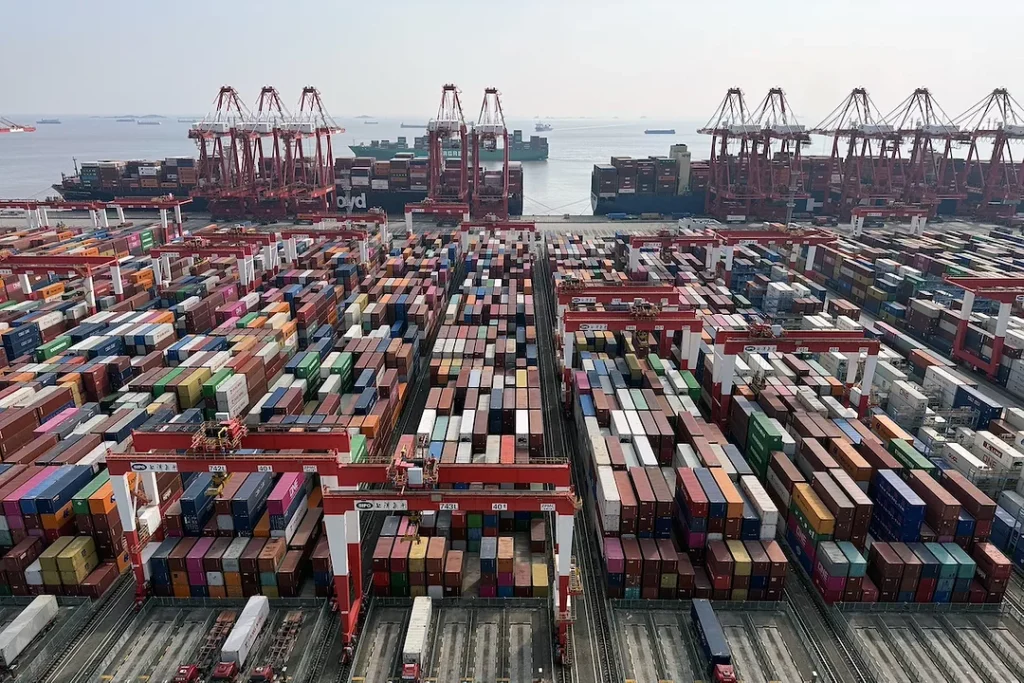
The United States and China have agreed to reciprocal tariff reductions on $30 billion worth of goods from each country, along with an expanded dialogue on artificial intelligence, following talks connected to Chinese President Xi Jinping’s visit to Washington. The agreement builds on months of negotiations between the two governments and represents one of the more concrete outcomes to emerge from efforts to stabilize trade relations between the world’s two largest economies.
The tariff framework had been under discussion since at least September, when China’s Commerce Ministry said negotiators were working to implement reciprocal reductions on goods of equivalent value “at an early date.” Ahead of Xi’s arrival in Washington, Chinese Vice Premier He Lifeng met with U.S. Treasury Secretary Scott Bessent and U.S. Trade Representative Jamieson Greer in New York, where officials described their discussions on economic and trade issues, including AI, as candid and constructive. The tariff arrangement is expected to apply to a defined list of nonsensitive goods on each side, though neither government has released a full breakdown of the products covered.
The agreement follows a broader pattern of engagement between Washington and Beijing this year, including a May summit in Beijing where the two countries established a joint Board of Trade and Board of Investment to manage bilateral commerce, alongside Chinese commitments to purchase Boeing aircraft and American agricultural products. Xi’s trip to Washington marked his first visit to the U.S. capital since 2015 and the second in-person meeting between the two leaders within five months, an unusually frequent cadence for the two governments. A broader tariff truce reached during earlier talks is set to expire in November, and analysts have said the latest agreement, while limited in scale, signals continued efforts by both sides to avoid a renewed escalat
This report draws on information from Reuters, The Wall Street Journal and The Hill.