
|
Getting your Trinity Audio player ready...
|
The United States and Iran resumed talks at the U.N. after months without negotiations, focusing on the conflict and Strait of Hormuz.
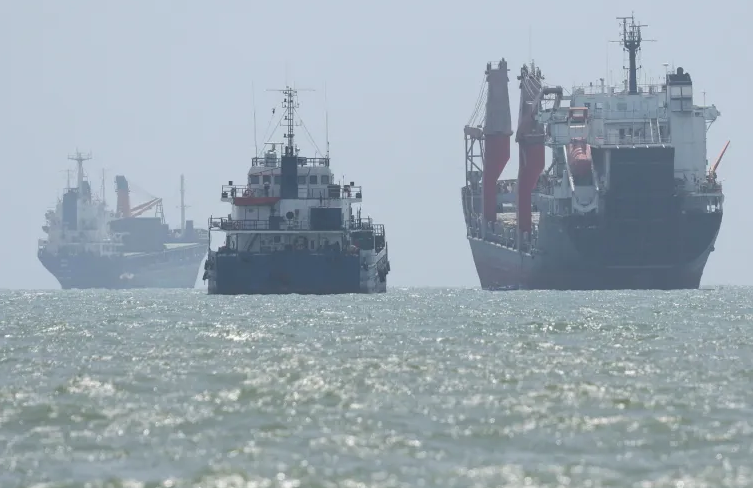
U.S. and Iranian officials held mediated talks Tuesday on the sidelines of the United Nations General Assembly, marking the first reported high-level discussions between the two sides in months as diplomatic efforts resumed over the conflict and the status of the Strait of Hormuz. The discussions brought representatives from Washington and Tehran together through intermediaries in New York, providing a new channel for negotiations after an extended period without comparable talks.
The meeting took place as tensions remained centered on the Strait of Hormuz, a strategically important waterway through which a significant share of global energy shipments normally passes. Iranian officials have linked the possibility of reopening the strait to changes in U.S. military and economic pressure, while Washington has continued pressing Tehran over the broader conflict. The issue has added an international dimension to the diplomatic discussions because disruptions to shipping through the waterway can affect energy markets and global trade.
The talks came during the U.N. General Assembly’s high-level week, when world leaders and senior officials are gathered in New York for diplomatic meetings. The United States has indicated that it remains open to discussions with Iran, while Iranian officials have outlined conditions they say would need to be addressed for further progress.
The renewed contact also involved regional diplomatic efforts, including mediation by countries seeking to reduce tensions and establish conditions for continued negotiations. The discussions did not immediately produce a publicly announced agreement, but the fact that American and Iranian representatives resumed talks provided a new diplomatic engagement point after months without similar high-level discussions.
The two governments continue to differ over military operations, sanctions, shipping through the Strait of Hormuz and the terms of any potential settlement. Further negotiations would depend on whether the sides can address those disagreements and maintain communication following the New York meeting.
Sources: BBC News, Al Jazeera, The Times of Israel, The Guardian and Financial Times.