
It is the second time in a week that T&T has broken with its UN record. Amery Browne calls it “furtive subservience to a foreign agenda.
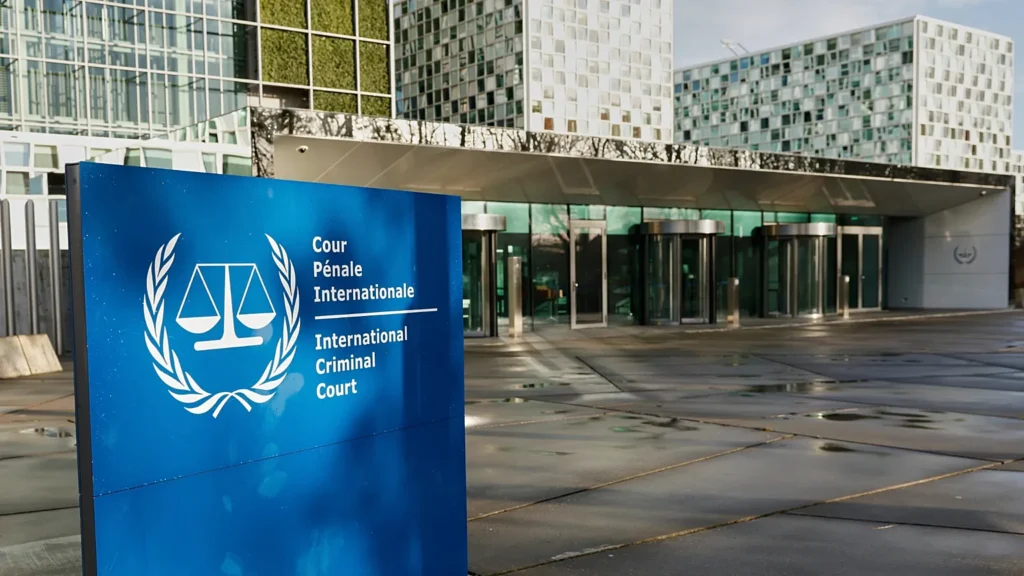
PORT OF SPAIN, Trinidad – Trinidad and Tobago abstained on Monday for the first time on a UN General Assembly resolution on the International Criminal Court (ICC), ending two decades of support for an institution whose creation was championed by former Prime Minister and President A.N.R. Robinson.
The resolution on the court’s annual report, A/81/L.11, was adopted with 93 votes in favor, 13 against and 36 abstentions. The United States, Russia, Israel and Argentina were among those voting against, as were Belarus, North Korea, Nicaragua and Paraguay. The resolution was adopted without a vote from 2005 to 2022, and T&T sometimes sponsored it. When voting began in 2023, T&T voted in favor and sponsored it, and did so again in 2024 and 2025, the Express reported.
The abstention follows another break with the country’s past UN record last week, when T&T voted against the resolution calling for an end to the US embargo on Cuba and became the first CARICOM country ever to do so. In July, it also abstained on a procedural vote on the Cuba embargo. The Express said the ICC vote comes as the country “appears to shift its foreign policy agenda closer to Washington,” which has criticized the court. The US voted against the ICC resolution, while T&T abstained. The Government has said its Cuba vote was based on democracy and human rights, and the Foreign Ministry has not commented on the ICC abstention.
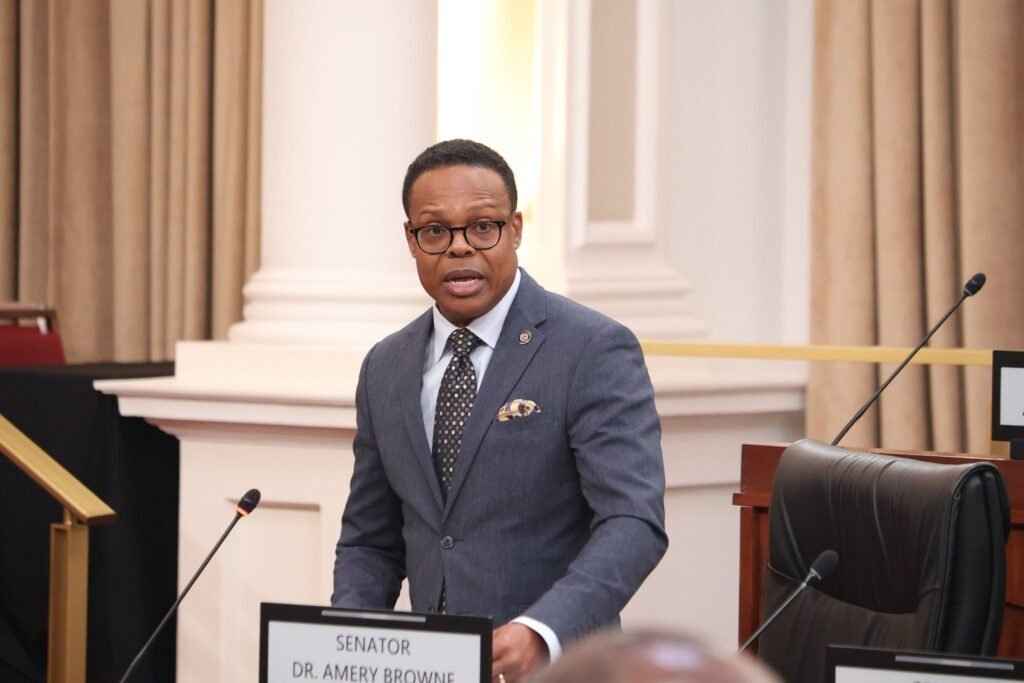
Opposition Senator and former Foreign Minister Amery Browne criticized Prime Minister Kamla Persad-Bissessar and Foreign and CARICOM Affairs Minister Sean Sobers. He said T&T has moved from co-sponsoring such resolutions to “turning its back on the ICC,” called it “furtive subservience to a foreign agenda,” and said it devalues Robinson’s legacy. Browne described the abstention as “a marker of the unprincipled cowardice of the current UNC Cabinet.”
Robinson’s 1989 address to the General Assembly helped revive the proposal for an international criminal court, leading to the Rome Statute in 1998. T&T signed it that year and became one of the first Caribbean countries to ratify it.
This report draws on information from the Trinidad Express and the Trinidad and Tobago Guardian.