
ICJ found Myanmar committed genocide against the Rohingya. The 9-6 ruling orders Myanmar to provide reparations and restitution.
THE HAGUE — The Rohingya genocide ruling delivered on Thursday, Nov. 19, by the International Court of Justice found that Myanmar committed genocide against the Muslim minority, in a 9-6 decision that Al Jazeera described as the first time a state has been found responsible for genocide at the court.
ICJ President Yuji Iwasawa read out the judgement over about three hours, according to Al Jazeera. The case was brought by The Gambia, which accused Myanmar in 2019 of breaching the 1948 Genocide Convention. Myanmar has said its crackdown responded to attacks on police posts by the Arakan Rohingya Salvation Army (ARSA).
What the court found in the Rohingya genocide case
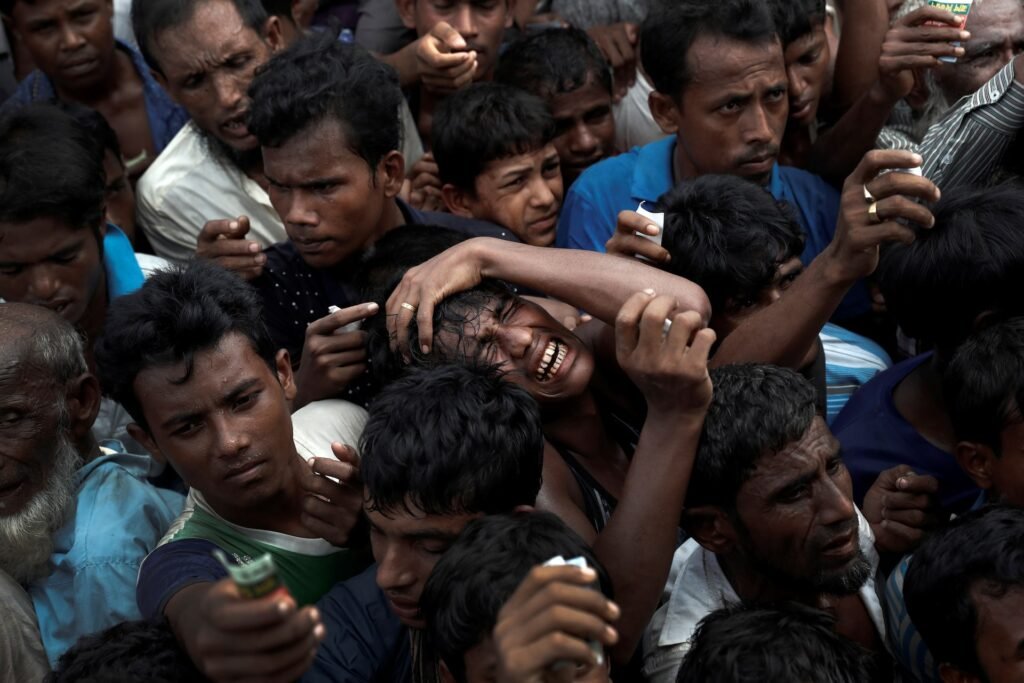
Iwasawa said the evidence showed Myanmar’s security forces killed 10,000 Rohingya, Al Jazeera reported. He said they killed thousands of civilians, carried out widespread sexual violence and extreme violence against children, and attacked Rohingya as they fled in large numbers to Bangladesh. In specific cases, he said, Myanmar had acted with genocidal intent.
The court said the only reasonable inference from the pattern of atrocities was an intent to destroy a substantial part of the Rohingya, and found that Myanmar also violated its obligation to prevent genocide. Reuters reported that the court found Myanmar’s military carried out mass executions of men and boys, widespread rape of Rohingya women and the burning or razing of hundreds of villages during so-called clearance operations.
Al Jazeera’s correspondent at The Hague said four genocidal acts were proven in the Rohingya genocide case: mass killing, forced displacement, serious harm to the group and the prevention of births. The ICJ rules on the responsibility of states, not the criminal guilt of individuals.
The court said Myanmar must provide reparations and restitution. Al Jazeera reported that this includes facilitating the safe and voluntary return of Rohingya, replacing damaged collective property, helping search for the disappeared and ensuring proper burials, providing rehabilitation, and protecting the population from persecution.
Myanmar’s military-led government did not immediately respond to Reuters’ request for comment on the Rohingya genocide ruling. It has previously called The Gambia’s allegations flawed and unfounded in fact and law, Reuters reported.
Why the Rohingya genocide ruling matters
Al Jazeera and Reuters said the verdict is only the fourth time since the Holocaust that an international court has ruled the legal threshold for genocide was met. Human rights lawyer Toby Cadman told Al Jazeera that the hardest part of any genocide case is proving specific intent to destroy a group, and that the ICJ had never before found such intent in a state. He said much now depends on what follows, including whether the matter goes to the UN Security Council and whether sanctions or other remedies are applied.
The Times of Israel, citing agencies, said the ruling is final and cannot be appealed, and that it is expected to influence other genocide allegations, including those against Israel over the Gaza war. The ToI also reported that the United States said it is assessing the implications of the decision.
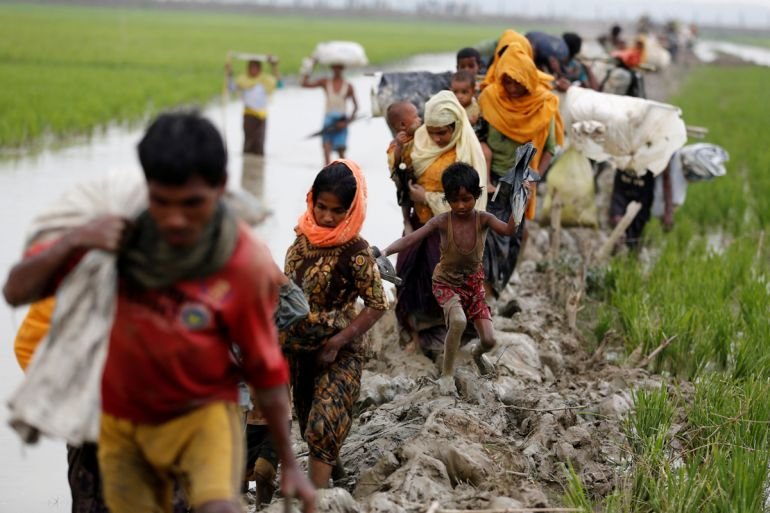
Amnesty International welcomed the judgement and said it hopes it marks the start of a long overdue process of accountability in Myanmar, Al Jazeera reported. The military crackdown in 2017 drove more than 730,000 Rohingya to flee to Bangladesh, according to Al Jazeera. The UN says more than 1.3 million Rohingya remain displaced across South and Southeast Asia, including 1.2 million in camps in Cox’s Bazar.
In Cox’s Bazar, Rahama Khatun, 43, watched the verdict on her smartphone from her shelter. Her husband, Shaker Ahmed, was among 10 Rohingya men killed at Inn Din village in September 2017, according to a Reuters investigation. She told Reuters she was filled with joy “that justice is finally being served” and hopes the Rohingya genocide ruling will let her family return to Rakhine state as equal citizens. Fighting between the Myanmar military and the Arakan Army continues in Rakhine following the 2021 coup, Reuters reported.
Sources: This report is based on coverage by Al Jazeera, Reuters (via Yahoo News) and The Times of Israel.