
|
Getting your Trinity Audio player ready...
|
Iranian President Masoud Pezeshkian said Tehran remains open to negotiations but will not accept demands imposed outside international law.
Iranian President Masoud Pezeshkian said Thursday that Iran remains willing to negotiate with the United States but rejected any agreement that Tehran believes would be imposed through military or economic pressure. His comments came as Washington and Tehran continued indirect contacts through intermediaries over the war and possible diplomatic settlement.
In an interview with Fox News, Pezeshkian said Iran did not choose the war and would defend itself if attacked. He said Tehran’s position was to seek an agreement within the framework of international law and argued that negotiations should address what Iran considers its legal rights. The president also said Iran would comply with its obligations under the Nuclear Non-Proliferation Treaty, including on uranium enrichment, within an eventual agreement.
Pezeshkian said Iranian officials had been communicating with U.S. representatives Steve Witkoff and Jared Kushner through mediators. The contacts followed talks involving the two sides on the sidelines of the United Nations General Assembly, with U.S. officials describing the discussions as productive while the two governments remained divided over the terms of a settlement.
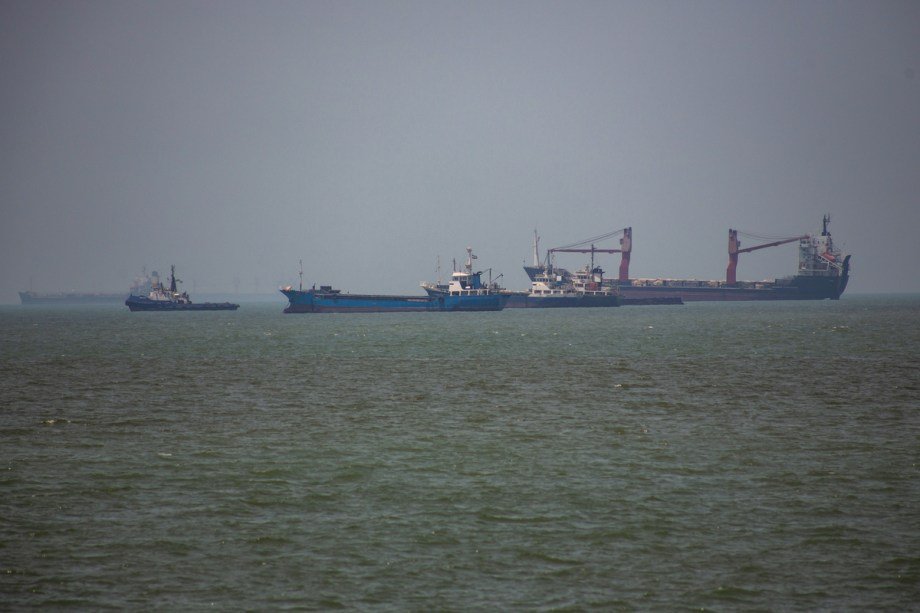
A major issue in the interview was the Strait of Hormuz, a critical route for global energy shipments. Pezeshkian disputed the characterization that Iran had attacked commercial shipping and said Tehran would not accept restrictions on Iranian vessels while other countries retained access to the waterway. Iran has separately demanded changes to the U.S. military pressure and blockade as part of a possible agreement.
Pezeshkian was also questioned about attacks attributed to Iran’s Islamic Revolutionary Guard Corps and whether the civilian government has complete control over military operations. He acknowledged that coordination problems had occurred and said a mechanism for communication between the sides had been contemplated but was never established. He argued that such channels could help prevent military actions from undermining diplomatic agreements.
The Iranian president also rejected reports that Iranian security forces killed substantially larger numbers of protesters during unrest earlier this year than the government has publicly acknowledged. He said Tehran had documented the deaths of more than 3,000 people and challenged outside organizations to provide evidence supporting higher estimates. Human rights groups and other reports have published substantially higher figures, making the death toll disputed.
Asked about Iran’s Supreme Leader, Pezeshkian said he had met with him about a month earlier for several hours and described him as capable of governing. He said overall policy direction comes from the supreme leader while implementation is handled by the administration and government.
The interview came a day after Pezeshkian told the U.N. General Assembly that Iran would not surrender to U.S. pressure but remained committed to dialogue and diplomacy. President Donald Trump had told the same gathering that he was considering whether to pursue a deal with Tehran or take further military action.
Pezeshkian said Thursday that Iran does not want the conflict to continue and that Washington ultimately must decide whether to end the war. The comments leave diplomacy open while underscoring the wide differences between Tehran and Washington over military pressure, Iran’s nuclear program, maritime access and the conditions for ending hostilities.
Sources: Fox News interview transcript, Reuters, CBS News, The Times of Israel and other reporting cited above.