
Israel’s new Knesset was sworn in without a government. Netanyahu urged unity, and Eisenkot called his speech divisive.
Israel’s new parliament was sworn in Tuesday without a government, after an Oct. 27 election left Prime Minister Benjamin Netanyahu without a majority and his rivals without a clear path to power. All 120 members of the 26th Knesset took their oaths. Forty-six of them are new. President Isaac Herzog urged lawmakers to do everything possible to avoid another election.
Gadi Eisenkot, the former military chief tasked with forming a government, has up to six weeks to build a coalition. His four-party bloc holds 48 seats, and Netanyahu’s bloc holds 53, according to UPI, so neither has the 61 needed for a majority. Netanyahu remains caretaker prime minister. If both men fail, another election could follow.
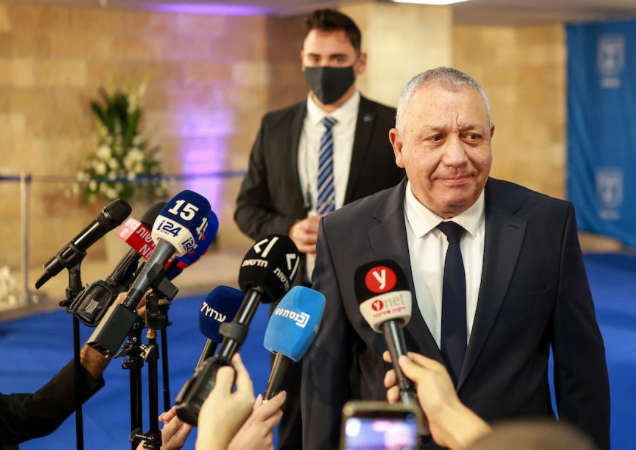
Eisenkot’s bloc used the first day to introduce bills targeting Netanyahu and his policies, according to the Associated Press. It also filed a motion signed by a majority of lawmakers to replace Knesset Speaker Amir Ohana of Likud with Yashar’s Matan Kahana. The Times of Israel reported the speaker’s vote is set for next Tuesday.
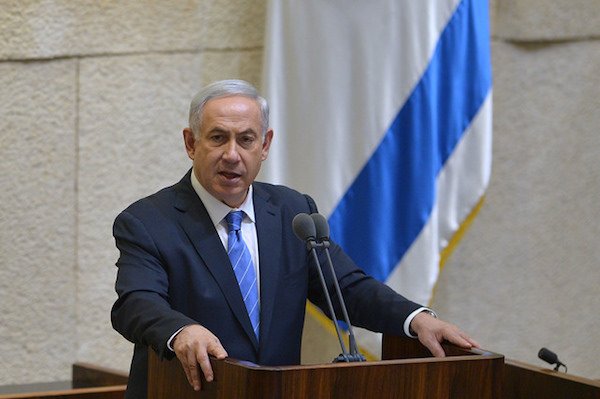
In a speech to the Knesset, Netanyahu called for a unity government and warned Iran was seeking to revive its nuclear program. He also criticized Arab lawmakers, which pushed Eisenkot’s bloc further from the idea of a unity government under his leadership, JTA reported. Eisenkot called the speech “delusional, divisive, full of hate and shameful.” Yashar canceled a planned meeting with Likud afterward. About 200 right-wing protesters demonstrated outside against the emerging government.
This report draws on Reuters, The Associated Press, UPI, the Jewish Telegraphic Agency, The Times of Israel and Haaretz.