
The Privy Council ruled the law criminalizing gay sex unconstitutional. Jason Jones won a near ten-year legal fight.
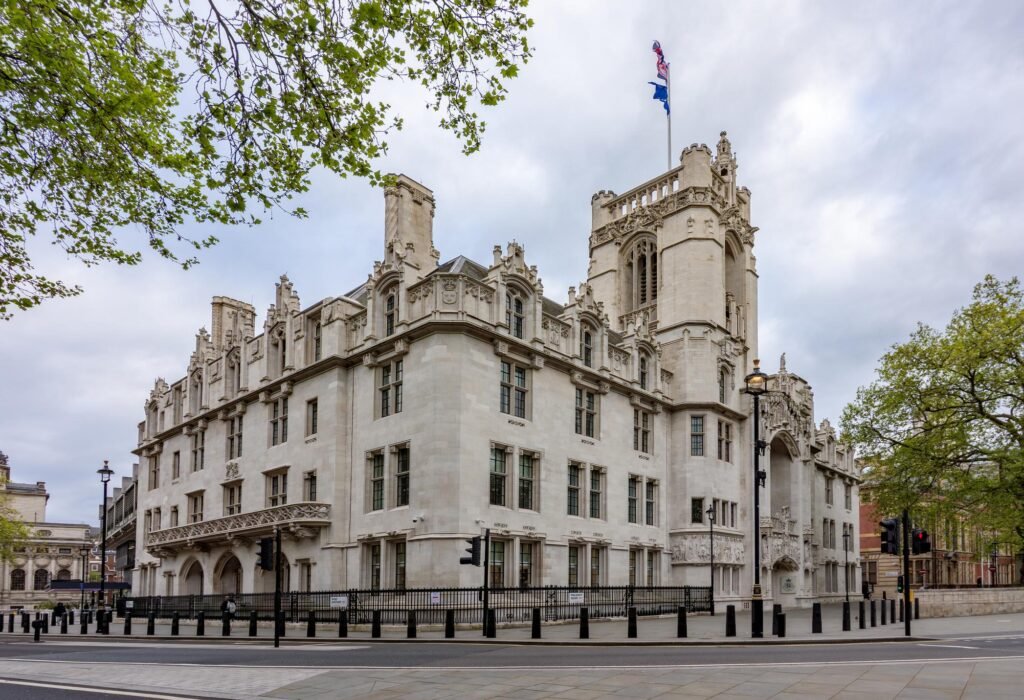
London’s Privy Council on Tuesday struck down the Trinidad and Tobago law that criminalized consensual sex between men, ruling it unconstitutional. The court, the country’s final appeal body, said it is unconstitutional to criminalize private, consensual sexual relations between adults of the same sex. It ruled in favor of activist Jason Jones, who challenged the Sexual Offences Act.
The law made “buggery” and “serious indecency” criminal offences. Section 13 covered buggery, with a penalty of up to five years. Judge Philip Sales said the law could not be justified, because the current understanding of the right to private and family life “protects such a core part of human identity as one’s sexual orientation.” The ruling applies to Trinidad and Tobago only.
Jones, who was born in Trinidad and Tobago and left in 1996, filed his challenge in 2017. The High Court agreed with him in 2018. In March 2025, the Court of Appeal reversed that decision, finding the colonial-era prohibitions were shielded by a constitutional savings clause, though it reduced the penalties. Jones then took the case to the Privy Council.
Jones welcomed the decision but said it does not address wider issues of equality for LGBTQ+ people across the Commonwealth. The Attorney General’s office, which opposed his appeal, did not immediately respond to Reuters’ request for comment. The reports reviewed did not include a response from the Government.

This report draws on CNN, Reuters, The Guardian, Attitude and the Caribbean Broadcasting Corporation.