
|
Getting your Trinity Audio player ready...
|
Mark’s casting vote broke a 15-15 Senate deadlock, allowing the Special Operations Bill to pass.
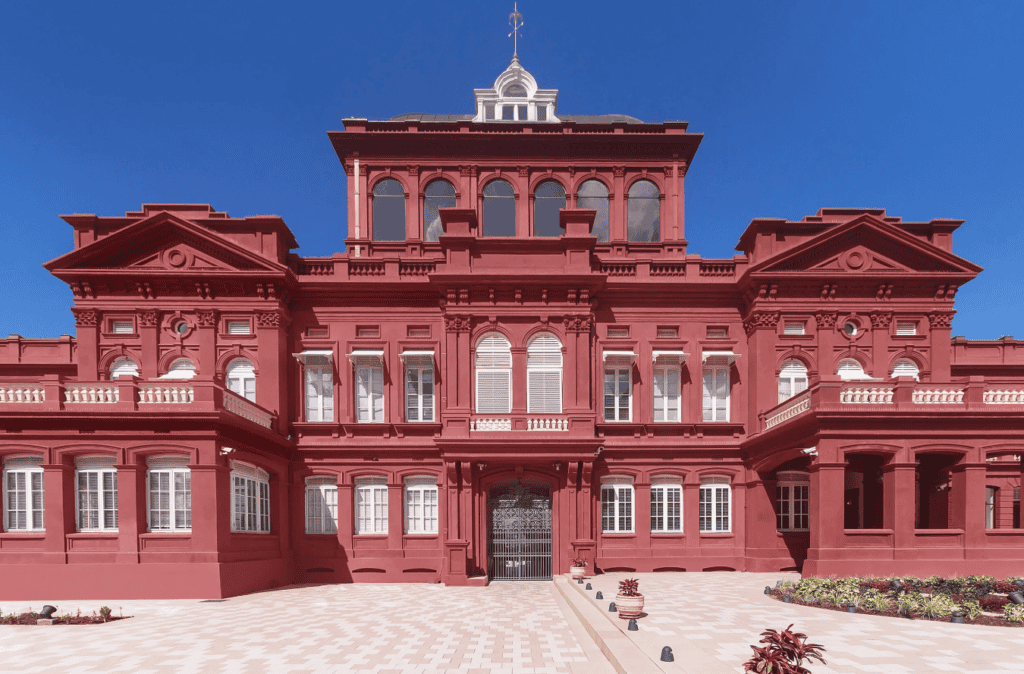
Senate President Wade Mark used his casting vote early Thursday to break a 15-15 deadlock and secure passage of the Government’s Special Operations Bill, 2026, after a tense conclusion to debate in the Upper House. The legislation passed 16-15 after all 15 Government senators supported it while six Opposition senators and nine Independent senators voted against it.
The result followed extended debate over the bill and proposed amendments from Independent senators. Among the issues raised were the definition of “special operations,” the role of the prime minister in appointments involving heads of special operations, restrictions associated with closed areas, movement controls, detention powers and mechanisms for oversight. The Government did not accept the proposed amendments.
The final vote followed a dispute over whether the Senate president could exercise a casting vote in the circumstances. Mark said he had researched the issue and determined that he could use the casting vote to resolve the tie. Opposition senators objected immediately after he announced his decision, but Mark ruled that the vote had been completed and directed the Clerk to proceed with the bill.
The legislation had already cleared the House of Representatives following debate last week. Its passage in the Senate means the bill has now been approved by both chambers of Parliament.
The Special Operations Bill differs from the earlier Zones of Special Operations proposal, which required a three-fifths majority because of its constitutional provisions and failed to secure sufficient support in the Senate. The revised legislation requires a simple majority and includes a two-year sunset provision, under which it will expire unless Parliament later extends or replaces it.
Trinidad and Tobago Guardian, Trinidad Express and the Parliament of Trinidad and Tobago.