
President Donald Trump said the United States is engaged in direct talks with Iran and suggested Wednesday that the seven-month war could be approaching its end. The claim comes as Washington explores diplomatic options with Tehran while preparing to meet Gulf leaders at the United Nations next week.
Trump provided few details about the alleged direct talks, including who is representing the United States or Iran, where discussions are taking place or whether they have produced any agreements. Iranian officials have stressed caution over diplomatic efforts, and there has been no announcement of a ceasefire or final settlement ending the conflict.
The comments came as the conflict entered its seventh month following the U.S. and Israeli attacks on Iran that began Feb. 28. Iran subsequently launched retaliatory attacks against Israel and U.S. military positions in Gulf countries, while fighting and disruptions to energy and commercial shipping have affected the wider region.
Trump’s comments about direct talks represent a potential diplomatic opening after months of military confrontation and earlier attempts to establish negotiations. The conflict has centered on Iran’s nuclear program, military capabilities, regional security and control of strategic shipping routes, including the Strait of Hormuz.
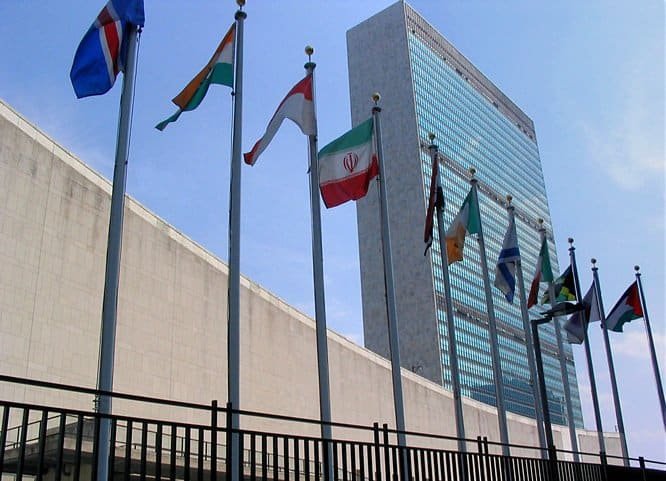
The diplomatic activity also includes planned discussions between Trump and leaders or senior officials from the Gulf Cooperation Council — Saudi Arabia, the United Arab Emirates, Qatar, Bahrain, Kuwait and Oman — on the sidelines of the U.N. General Assembly in New York. According to Axios, the meeting is expected to focus on the conflict and U.S. plans for the period following the war.
The Gulf states have been directly affected by the war because they host U.S. military facilities and rely heavily on energy exports and maritime trade. Attacks and disruptions linked to the conflict have raised concerns about regional security, oil and natural-gas supplies and the safety of commercial shipping.
China has also urged Washington and Tehran to return to negotiations and pursue diplomatic efforts to reduce regional tensions. Chinese Foreign Minister Wang Yi called for the two sides to revive an earlier negotiating framework and emphasized the importance of reopening the Strait of Hormuz for global energy transportation.
Despite Trump’s assertion that direct talks are taking place, the diplomatic process remains uncertain and there is no confirmed peace agreement. Any settlement would have to address the military conflict, Iran’s nuclear activities, regional security arrangements and the future of strategic energy and shipping routes.
Sources: Information attributed to Al Jazeera, Axios, ABC News and Reuters.