
Trump rejected Iran’s seven-day plan to reopen the Strait of Hormuz. Tehran says the proposal could restart negotiations.
U.S. President Donald Trump has rejected an Iranian proposal that called for the Strait of Hormuz to reopen within seven days as part of a broader plan to end fighting and resume negotiations between Tehran and Washington.
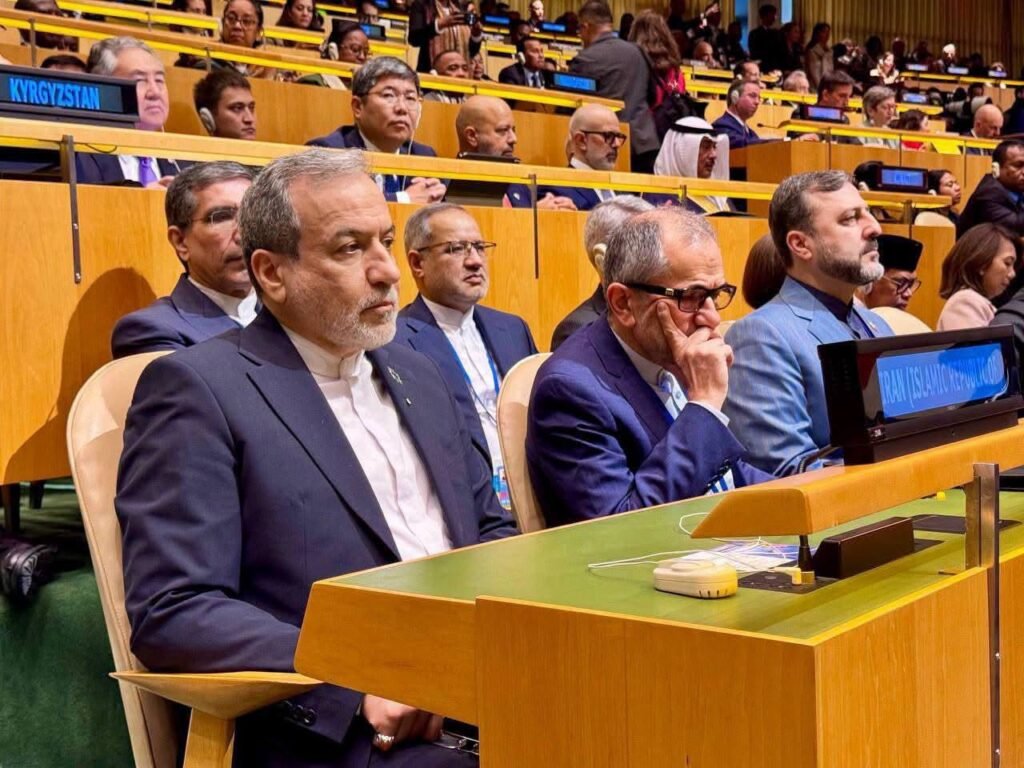
Iranian Foreign Minister Abbas Araghchi announced the proposal at the United Nations General Assembly in New York, saying it had been delivered to the United States through Qatari intermediaries. Under the proposed timetable, the United States would take a series of steps, including lifting its naval blockade of Iranian ports, while Iran would reopen the strategic waterway and negotiations would resume.
Araghchi said the seven-day timetable would begin once Washington accepted the proposal. Iran’s plan was based on a memorandum of understanding reached between the two countries in June, which had sought to create a framework for negotiations but later broke down. Tehran has said the new proposal would also involve a halt to hostilities across the region.
Trump said Saturday that he had rejected the Iranian proposal, according to Reuters. He said Iran was seeking to reopen the strait because of the economic pressure created by its closure and indicated that Washington remained unwilling to accept Tehran’s terms.
The rejection leaves the Strait of Hormuz at the center of the dispute. The waterway is a major international energy route, and its disruption has affected shipping and contributed to pressure over fuel and energy markets. CNN reported that U.S.-Iranian discussions through intermediaries had been described by a U.S. official as positive and constructive before Trump’s rejection of the proposal.
Iran has continued to signal that it is prepared to negotiate, but Tehran and Washington remain divided over the conditions for ending the conflict. The latest developments leave the diplomatic process uncertain as the two sides weigh competing demands over the waterway, sanctions, military activity and Iran’s nuclear program.
Sources: Reuters, Al Jazeera, BBC News and CNN.