
European Commission President Ursula von der Leyen has proposed making Canada the European Union’s first associate member, prompting President Donald Trump to warn that the move could be considered a “hostile act” by the United States. The proposal comes as Canada seeks closer economic and security ties with Europe while relations between Ottawa and Washington remain strained by trade disputes.
Von der Leyen presented the proposal during her annual State of the Union address to the European Parliament, outlining closer cooperation with Canada in areas including defense, energy, technology, critical minerals and Arctic security. Canadian Prime Minister Mark Carney attended the address as his government continues efforts to strengthen relationships with European countries and diversify Canada’s economic partnerships.
The proposal would not make Canada an EU member, and the details of any associate-member arrangement have not been established. The EU treaties do not currently provide for such a status, meaning the proposal would require further negotiations and agreement among the bloc’s member states. Canada and the EU are expected to discuss closer cooperation at a summit scheduled for October.
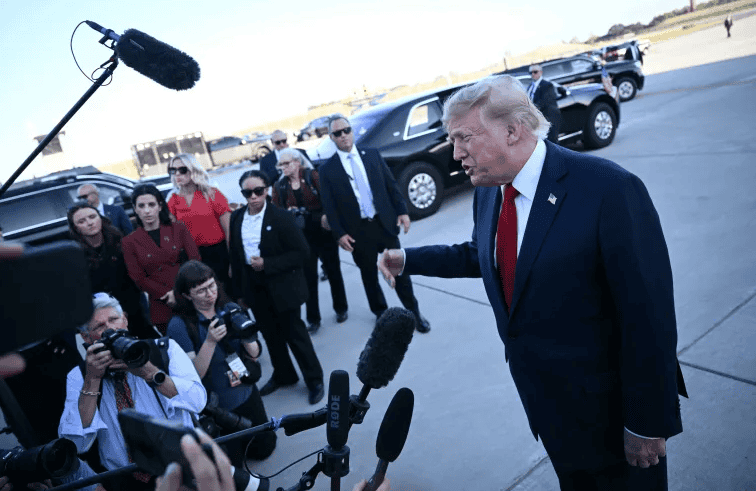
Trump responded by warning that the proposed relationship could represent a “hostile act” if Canada were allowed to deepen its ties with the European bloc. He also indicated that Washington could respond with additional trade measures against Europe, adding another potential point of tension to existing disputes over tariffs and market access.
Canada has increasingly sought to expand economic and strategic relationships beyond the United States, its largest trading partner. Ottawa has already joined the EU’s SAFE defense initiative as its first non-European participant and has pursued greater cooperation with Europe on trade, defense, energy and critical minerals.
The proposal also comes as Canada and the United States face continuing disagreements over tariffs and other trade policies. Any formal move toward EU associate membership would require negotiations over its scope and legal framework, while the potential economic consequences would depend partly on how Washington responds and how Canada, the EU and individual member states structure the relationship.
For the European Union, closer ties with Canada could strengthen cooperation with a major economy possessing substantial natural resources and strategic interests in the Arctic. For Canada, the proposal offers another potential avenue for economic and security cooperation as Ottawa works to broaden its international partnerships, but the proposed associate-member status remains at an early stage.
Information attributed to The Associated Press, Reuters, The Wall Street Journal, Times of India and News24.