
The Government is pursuing several initiatives to modernise Trinidad and Tobago public transport, including the introduction of digital bus ticketing, improvements to the Public Transport Service Corporation’s (PTSC) fleet and terminals, and proposed changes to maxi-taxi operations.
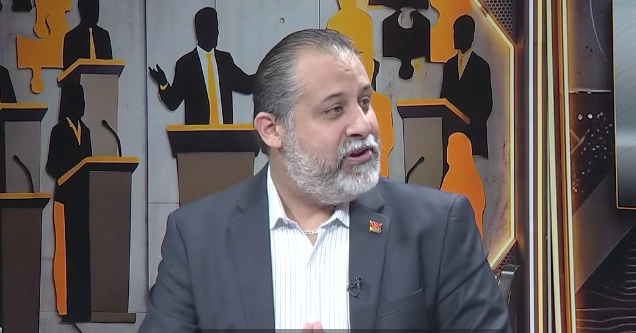
Minister of Transport and Civil Aviation Eli Zakour outlined the initiatives during an appearance on TTT’s Focus morning programme on November 21, as the Government seeks to improve the efficiency, accessibility and reliability of public transportation.
One of the initiatives currently being tested is a digital ticketing application intended to reduce the PTSC’s reliance on traditional paper tickets.s.
Digital ticketing pilot underway
The Government is pursuing several initiatives to modernise Trinidad and Tobago public transport, including the introduction of digital bus ticketing, improvements to the Public Transport Service Corporation’s (PTSC) fleet and terminals, and proposed changes to maxi-taxi operations.
Minister of Transport and Civil Aviation Eli Zakour outlined the initiatives during an appearance on TTT’s Focus morning programme on November 21, as the Government seeks to improve the efficiency, accessibility and reliability of public transportation.
One of the initiatives currently being tested is a digital ticketing application intended to reduce the PTSC’s reliance on traditional paper tickets.
PTSC fleet and routes under review
The Minister also acknowledged the challenges posed by an ageing bus fleet and deteriorating transportation terminals.
He said the Government is working to address these issues while reassessing the distribution of buses across the national network.
The review includes identifying routes where buses are underutilised and reallocating vehicles to areas where passenger demand is greater.
The approach is intended to make more effective use of available resources while improving service delivery to commuters.
The condition and availability of public transport remain important concerns for passengers who depend on PTSC services to travel to work, school and other destinations.
Improving bus availability and route allocation remains essential to strengthening Trinidad and Tobago public transport services and ensuring vehicles are deployed where they are most needed.
The Government’s proposed improvements will therefore require attention not only to the number of buses available but also to their reliability, maintenance and the condition of the facilities serving passengers.
Maxi-Taxi Amendment Bill to be introduced

Another significant component of the proposed reforms is the Maxi-Taxi (Amendment) Bill, 2026, which is scheduled for introduction in the Senate on November 24.
According to Zakour, the proposed legislation will provide for a new check-in system designed for urban and suburban transportation operations.
The initiative is intended to improve access to public transportation in communities that are not adequately served by existing maxi-taxi and taxi routes.
Under the proposed arrangement, the Government hopes to address gaps in transportation coverage and improve the availability of services for residents in underserved areas.
The bill’s scheduled introduction is an important legislative step, but its introduction should not be confused with implementation of the proposed system.
Further details will be needed on how the check-in arrangements will operate, which communities will benefit, how operators will participate and when the new arrangements could take effect.
More than 60% comply with vehicle defect warnings
Zakour also provided an update on the Government’s fixed penalty warning system, reporting that more than 60 per cent of motorists issued warnings for vehicle defects have complied with the requirements to correct those defects.
The warning system gives motorists an opportunity to address specified vehicle defects within an allotted period rather than immediately receiving a fixed penalty notice.
The Minister previously provided figures on the programme in Parliament. During a Senate sitting on June 17, he reported that more than 1,300 fixed penalty warnings had been issued, with over 60 per cent of recipients complying.
Motorists who receive warnings are required to have the identified defects corrected and subsequently visit a police station or the Licensing Division to have the warning cancelled.
Failure to complete the required process can result in the warning being converted into a fixed penalty notice.
The arrangement forms part of wider changes to traffic enforcement, with the Government seeking to encourage motorists to maintain vehicles in compliance with road traffic requirement
Implementation details still outstanding
While the proposed measures signal several areas of planned change within Trinidad and Tobago public transport, important implementation details remain outstanding.
In particular, the Government has not provided a confirmed commencement date for the proposed maxi-taxi check-in system.
The timing and scope of the wider digital ticketing rollout also remain to be clarified.
For commuters, the effectiveness of these initiatives will ultimately depend on whether the proposed changes translate into more reliable bus services, improved transportation facilities and better access to public transport in communities across Trinidad and Tobago.
The success of these initiatives will be measured by their impact on commuters and the overall reliability of Trinidad and Tobago public transport.
The Maxi-Taxi (Amendment) Bill, 2026, is scheduled to be introduced in the Senate on November 24, when further details about the proposed legislative changes may emerge.