
Microsoft, the FAA, Chase, United and the NSA had outages within a week. Officials say they are unrelated.
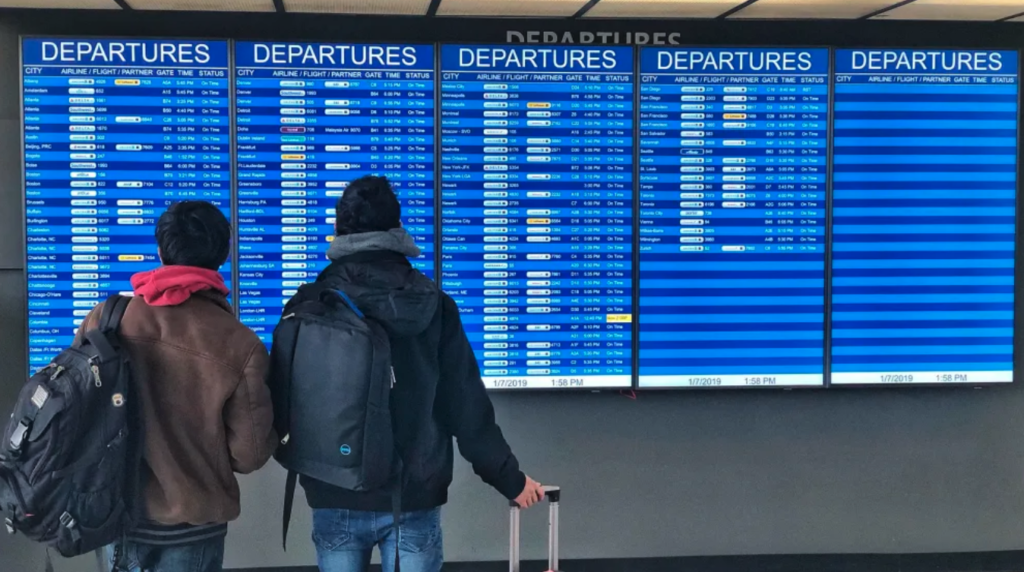
In the span of six days, some of the most heavily used digital systems in the United States stopped working. Microsoft 365 went down for about 24 hours, the Federal Aviation Administration halted flights nationwide, Chase customers could not move money, United Airlines grounded departures for about 90 minutes, and the National Security Agency’s classified network was disrupted. Officials say these system outages are unrelated and not malicious, but the speed and scale of the failures have raised questions that Aurax News set out to examine: what is known about each incident, what officials have said under oath, and what remains unexplained.
Aurax News is not suggesting the system outages are connected. No evidence made public so far links them. The aim is to establish what happened and whether a broader pattern of weakness is emerging.
What caused the system outages
Microsoft 365 (Nov. 12-13). Microsoft said a software bug introduced in July, combined with extra traffic after a Teams failover and reduced server capacity, left more than 80 percent of its networking gateway servers unresponsive, according to BleepingComputer’s report on the company’s preliminary findings. Services including Outlook, Exchange Online, Teams and Copilot were affected for nearly a day. Microsoft called it a technical failure with no indication of malicious activity, and plans a final report by Nov. 20.
FAA ground stop (Nov. 13). Transportation Secretary Sean Duffy said the nationwide halt, which lasted more than four hours, may have been triggered by a router being upgraded from copper to fiber at a remote site by contractor L3Harris, as Aurax News has reported. The cause is still under investigation.
Amazon Web Services (Nov. 15). A summary published by the cloud company Control Plane, a vendor with a commercial interest in resilience, says AWS reported connectivity and sign-in errors in one US region for about three hours and had not published a root cause. Aurax News has not been able to confirm that account with AWS directly.
Chase and United (Nov. 16). Chase said a software bug in an on-premises hardware system caused delays and that it was not a cyber issue, as Aurax News has reported. United said it resolved a technology issue that delayed departures, with no indication of a cyberattack, and has not stated a cause.
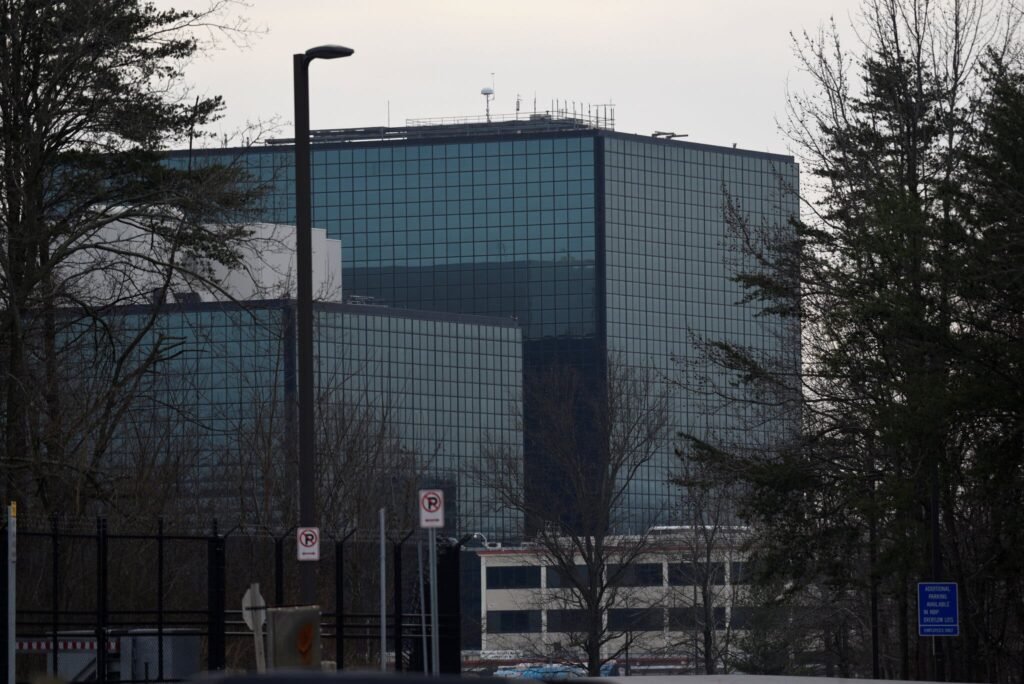
NSANet (Nov. 17-18). The NSA said it experienced temporary degradation during scheduled routine maintenance. Director of National Intelligence Jay Clayton linked the problem to a patch meant to fix critical software vulnerabilities, and CBS News, citing multiple sources, tied it to urgent patching of flaws in PHP, a programming language used across the web.
What officials told Congress about the system outages
Mullin said he was 98 percent confident the outages were not the work of foreign adversaries, but he also acknowledged that he had never seen this many outages in this amount of time, CBS reported. Asked whether he believes in coincidences, Clayton said he believes in exploring them, The Hill reported. CyberScoop reported that witnesses repeatedly cited patching and not hacking as a cause, without specifying that the patches were prompted by vulnerabilities uncovered with artificial intelligence.
At a House Homeland Security Committee hearing on Nov. 18, Homeland Security Secretary Markwayne Mullin, Clayton and FBI Deputy Director Christopher Raia said the system outages were separate. Clayton said the system outages were associated with maintenance and technical changes, and that the rate of patching and upgrading of systems is increasing, according to reports on the hearing by CBS News, CyberScoop and AFP. Raia said there was no indication whatsoever of malicious cyber activity related to any of the incidents.
Clayton also said the nation’s digital infrastructure is becoming increasingly outdated and needs to be upgraded, according to AFP. At the same hearing, Raia cautioned that intelligence reporting about possible Iranian plots, which Aurax News has covered, is largely aspirational and does not mean attackers have the capability to carry them out, CBS reported.
The cyber side is a separate, documented trend. South Korea’s Financial Services Commission said on Oct. 14 that suspected AI-agent-driven cyberattacks had affected 16 financial firms and exposed about 100,000 personal records, the Korea Times reported, and regulators later confirmed further breaches that brought the total to about 20 firms. Those were data breaches, not outages, and the investigation is continuing. CrowdStrike linked the campaign to a Chinese-developed AI tool, and files on attacker servers also showed use of Anthropic’s Claude Code coding assistant, according to reports on its findings.
A planning brief for this investigation also referred to disruptions at Apple, Google Cloud, Cloudflare, Azure, Boston Scientific, a Hungarian state treasury, a Texas university, Taiwanese agencies, African air-traffic services and a service incident at Anthropic. Aurax News was not able to independently confirm those items for this article and has not included them as established facts.
What remains unanswered is whether the number of system outages reflects ordinary risk, with more patches, older systems and shared dependencies, or something more. Microsoft’s final report, the FAA’s root-cause findings and AWS’s explanation are all pending, and United has not given its cause. Aurax News will report on the system outages as those findings are published.
Sources: BleepingComputer, Control Plane, CBS News, CyberScoop, The Hill, Washington Post, AFP via Yahoo UK, Korea Times, CSIS cyber, Epoch and Times/IBTimes.