
|
Getting your Trinity Audio player ready...
|
Trinidad and Tobago’s Special Operations Bill passed after a 15-15 Senate deadlock. Wade Mark cast the deciding vote.
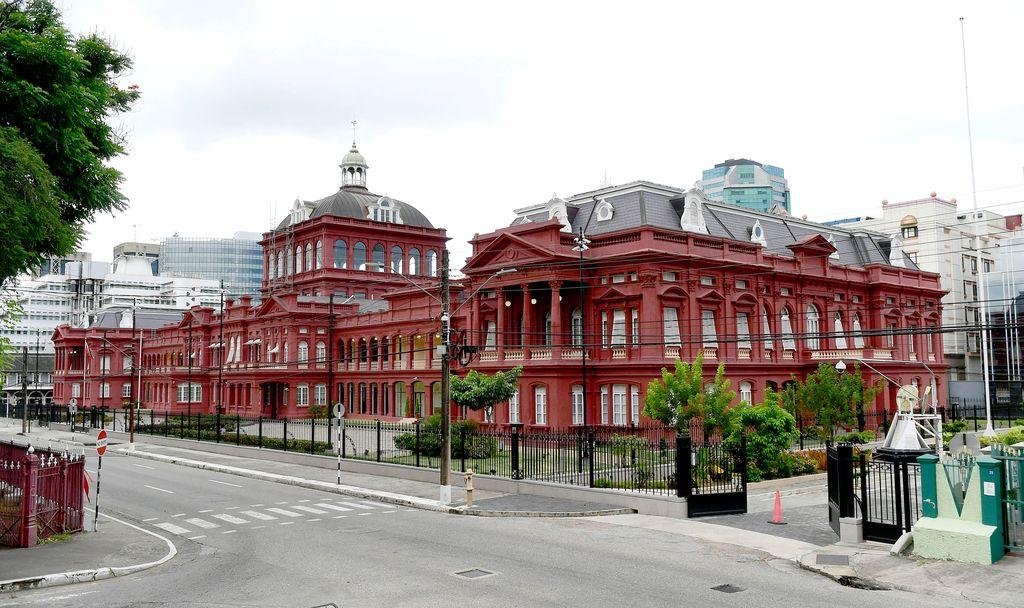
Trinidad and Tobago’s Special Operations Bill has passed the Senate after President Wade Mark used his casting vote to break a 15-15 deadlock, allowing the legislation to clear its final parliamentary hurdle. The bill passed its third reading 16-15, with all 15 Government senators voting in favour and the six Opposition and nine Independent senators voting against.
The vote followed hours of debate over legislation that establishes a framework for special operations in designated areas, including provisions dealing with restrictions on movement, closed areas, detention and oversight. Independent senators had proposed amendments aimed at strengthening safeguards, but those proposals were rejected by the Government.
Mark’s decision has triggered debate over how a Senate President should exercise a casting vote when the chamber is evenly divided. Former House Speaker Nizam Mohammed said Mark had the constitutional authority to vote in the event of a tie, but questioned whether that power should be used to produce a substantive change in legislation when the Senate itself had not produced a majority. Opposition senators challenged the decision and subsequently walked out of the chamber.
Mark has declined to publicly elaborate on his decision, saying his reasoning has been placed in the parliamentary record. During the Senate proceedings, he said his research found no settled parliamentary convention requiring a presiding officer to vote in favour of preserving the status quo when exercising a casting vote.
The Senate President later said he did not want to compromise the office by publicly debating parliamentary proceedings and directed questions about his decision to Hansard. He also said that, in his view, a presiding officer has a responsibility to explain the basis on which a casting vote is exercised when confronted with a tied result.
Prime Minister Kamla Persad-Bissessar defended Mark’s decision, arguing that there is no established convention requiring a Senate President to preserve the status quo when exercising a casting vote. She said the president has discretion in such circumstances.
The Opposition has criticised the outcome. Opposition Leader Pennelope Beckles described the passage of the legislation as a “travesty of parliamentary democracy,” while questions have also been raised about the wider precedent created when a casting vote determines the outcome of significant legislation.
The Government’s revised bill required a simple majority in the Senate, unlike earlier Zones of Special Operations legislation, which required a three-fifths majority. With Thursday’s 16-15 vote, the Special Operations Bill has now cleared both Houses of Parliament and moves to the next stage of the legislative process before implementation.