
The free Parang on D Hills festival is cancelled for 2026. Organizers cite rising costs and limited funding
The Paramin Cultural Organization has announced that it will not host Parang on D Hills in 2026, ending, for this year, an event it has staged free of charge since 2009. The organization said it regrets the decision but that staging the festive event has become increasingly difficult.
In a statement to supporters, the group cited rising costs and limited funding. It said it considered moving to a paid event but felt it could not deliver the experience patrons have come to expect, and did not want to compromise on quality. The organization said this is not goodbye. It remains committed to finding ways to bring the event back and hopes to welcome patrons again in 2027. It thanked patrons, performers, sponsors, vendors, volunteers and the Paramin community for their support.

The cancellation comes in the middle of parang season. Parang is a folk music tradition that came to Trinidad and Tobago with Venezuelan migrants of Amerindian, Spanish, mestizo, Afro-Venezuelan and other heritage. Its name comes from the Spanish words parranda, meaning a spree, and parar, meaning to stop. Traditionally, parang singers and instrumentalists, called parranderos, travel from house to house at Christmastime, often waking residents and receiving food and drink in return, including pastelles, sorrel and ponche de crème. Common instruments include the Venezuelan cuatro, maracas, known locally as chac-chacs, violin, guitar, claves, box bass and mandolin.
Traditional parang includes several song types, among them aguinaldos about the nativity, guarapos with improvised lyrics, call-and-response estribillos, joropos and farewell songs called despedidas. In the 1980s the music evolved into soca parang, which uses English lyrics and a soca beat, and it has also been blended with chutney to form chutney parang. Staged parang fiestas run from October to January and culminate in a national competition. Communities such as Paramin, Lopinot and Arima are known as centers of the tradition.
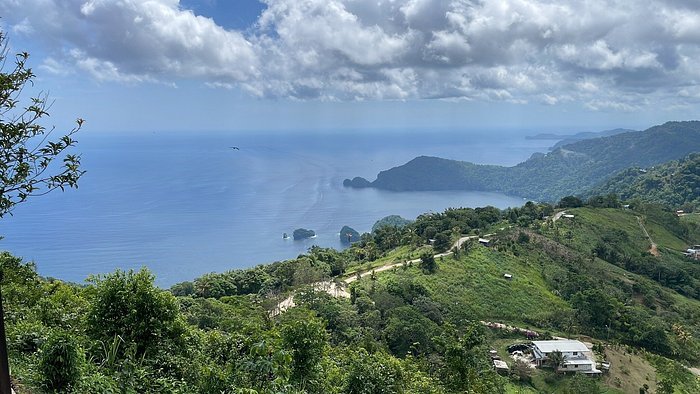
The Paramin Cultural Organization said that while Parang on D Hills will not take place this year, it remains committed to supporting the art form and will continue to do its part in “keeping the tradition alive.”
This report draws on a statement from the Paramin Cultural Organization