
Israel’s vote is deadlocked, with Arab parties projected at 16 to 18 seats. Both leaders claimed a mandate.
Israel’s election remained deadlocked Wednesday, with partial results showing neither Prime Minister Benjamin Netanyahu’s bloc nor challenger Gadi Eisenkot’s near the 61 seats needed for a majority. Arab-led parties, projected at 16 to 18 seats, were positioned to decide who can govern.
With about 72% of ballots counted, Netanyahu’s bloc was projected at 54 seats, Eisenkot’s at 48 and the Arab parties at 18, according to reports based on Reuters. An earlier count with 66% of ballots tallied showed 56, 48 and 16, CNBC reported. Netanyahu told Likud supporters in Jerusalem early Wednesday that he wanted a strong right-wing national government. Eisenkot, a former military chief, said Israel had chosen change and warned Netanyahu not to use national security for his political needs. Smaller right-wing parties failed to cross the vote threshold, which left Netanyahu’s bloc with no obvious place to pick up more seats, France 24 reported.
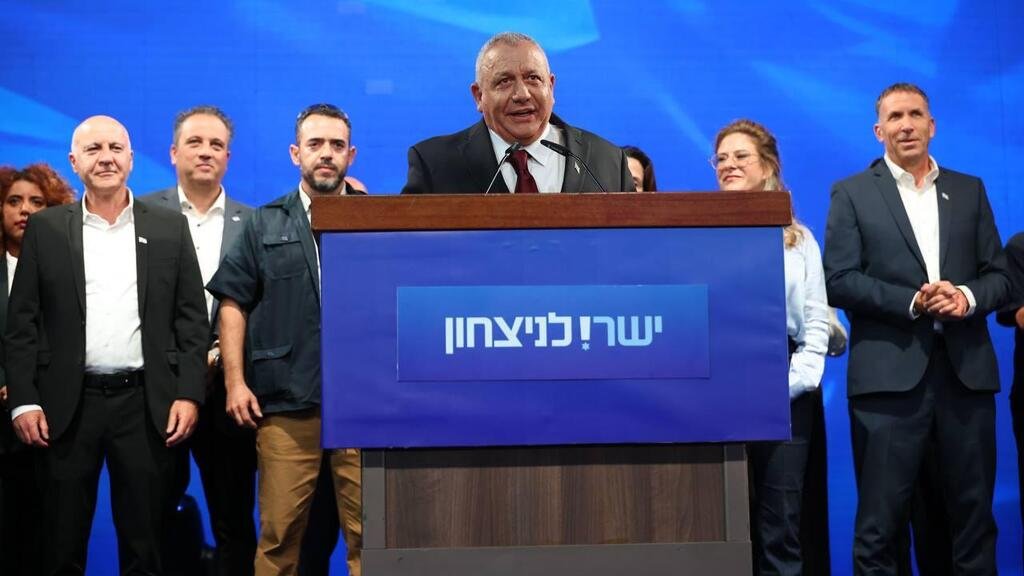
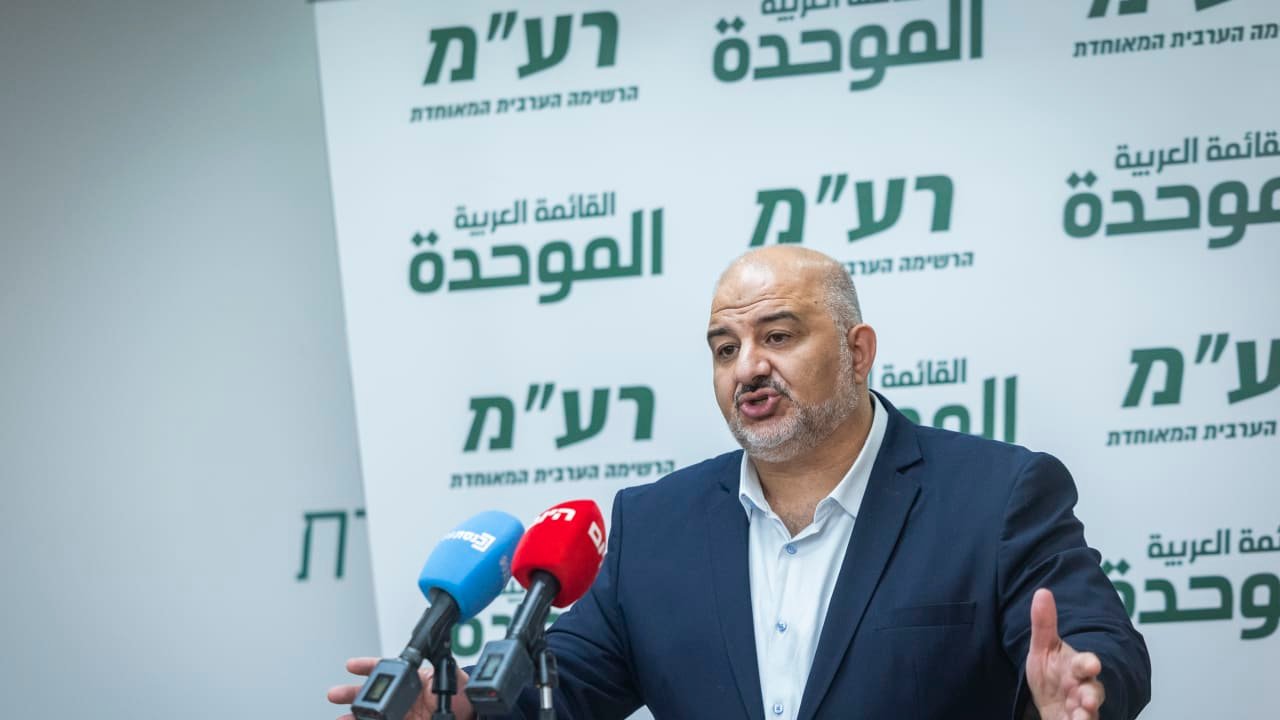
The Arab parties, which belong to neither camp, could become kingmakers. Eisenkot’s bloc and the Arab parties would together hold 66 seats under the latest projections, theoretically enough to keep Netanyahu out. Ra’am, led by Mansour Abbas, was the first Arab party to join an Israeli government, in the 2021-22 coalition led by Naftali Bennett and Yair Lapid. Abbas said the Arab vote will change the government, and leaders of the Arab parties have signaled that support would not be unconditional, according to reports that cited demands on crime in Arab towns, recognition of unrecognized Bedouin villages in the Negev and more state funding.
Exit polls are not official results and can be unreliable. Counting stretched into the early hours of Wednesday and could continue for days, and official results are due on Nov. 4. Political stalemate is the most likely outcome, with Netanyahu staying on as caretaker prime minister while neither side has a clear path to forming a coalition.
provided by CNN, CNBC, Axios, NBC News, Israel Hayom and Ynetnews.