
Iran offered Washington a seven-day framework to reopen Hormuz and restart nuclear negotiations. The proposal requires U.S. concessions.
Iran has presented the United States with a seven-day framework that would reopen the Strait of Hormuz and restart broader negotiations over its nuclear program, adding a new diplomatic proposal as the conflict between the two countries continues. Iranian Foreign Minister Abbas Araghchi outlined the plan Friday in New York during the United Nations General Assembly.
Under the proposal, the timetable would begin after Washington accepts the terms. Iran says initial measures would be completed during the first several days, with the strategically important waterway reopening by the sixth day and negotiations on a longer-term agreement beginning on the seventh. The proposal includes conditions involving the lifting of a U.S. naval blockade on Iranian ports, waivers for sanctions affecting Iranian oil sales and a ceasefire extending across multiple fronts, including Lebanon.
The proposal was conveyed to Washington through intermediaries and follows an earlier understanding reached in June that sought to halt fighting and establish a period for negotiations. That arrangement later broke down after disagreements involving shipping through the strait and other aspects of the conflict. Iran’s latest proposal compresses the timetable and places reopening the waterway before discussions on its nuclear program.
The United States has not announced acceptance of the seven-day plan. The White House has said U.S. officials are engaged in what it described as constructive discussions with mediators, while reporting from CBS News indicates that negotiators continue to address arrangements for shipping through Hormuz and possible mechanisms involving Iran, Oman, regional countries and the United States.
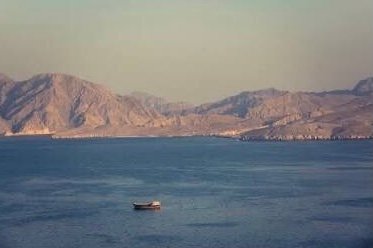
The Strait of Hormuz is a major international energy route linking the Persian Gulf with the Gulf of Oman. Before the conflict, about one-fifth of the world’s traded oil and gas passed through the waterway, making restrictions on shipping a significant factor in energy markets and adding pressure on countries dependent on Gulf supplies.
The latest diplomatic effort comes as the conflict approaches seven months and as Washington and Tehran remain divided over the sequence and scope of negotiations. Iran has sought changes to U.S. military and economic pressure before wider talks, while U.S. officials have continued to emphasize negotiations over Iran’s nuclear activities. Neither side has announced a final agreement to end the conflict or restore normal commercial shipping through the strait.
Information from Associated Press, Reuters, CBS News, Al Jazeerak, BBC and The New York Times was used to report and cross-check this story.