
Netanyahu says Israel must remove the Iranian threat once and for all. Tehran has made no uranium concessions.
Israeli Prime Minister Benjamin Netanyahu said Thursday that Israel must remove the Iran nuclear threat “once and for all,” as United Nations inspectors say they remain unable to access a key underground uranium site and US President Donald Trump says Washington does not need a deal with Tehran.
Netanyahu made the remarks in a meeting with Israeli opposition leader Gadi Eisenkot, where he stressed the need for a national unity government, according to a post on his X account cited by Dawn.
What Netanyahu said about the Iran nuclear threat
Netanyahu alleged that the Iranian government, which he said seeks to destroy Israel, is again working to revive its nuclear program and would resume enriching uranium and developing nuclear weapons once it is able. He also said Iran would not hesitate to use nuclear weapons against Israel. Iran has not responded to those claims in the reports reviewed by Aurax News.
UN agency seeks access to Isfahan
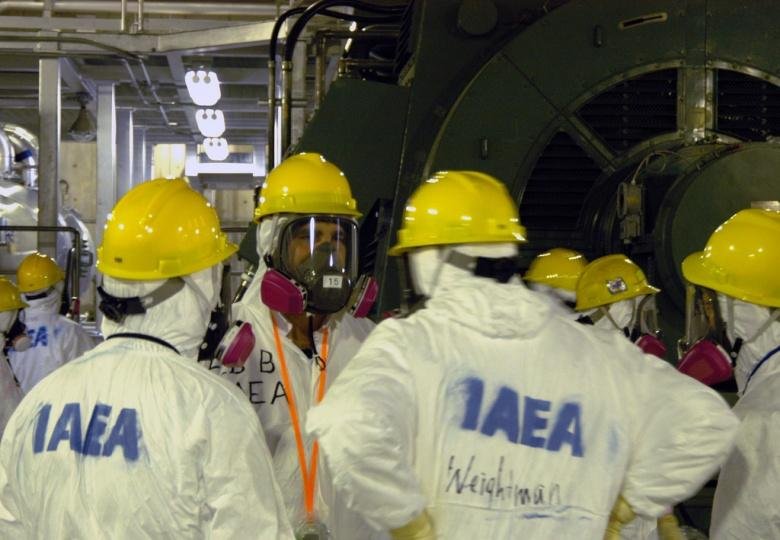
CBS News, citing Reuters, reported that the International Atomic Energy Agency is increasingly concerned about Iran’s refusal to let inspectors visit an underground enrichment facility at Isfahan. In a quarterly report to member states, the agency said it does not know the facility’s exact location, its status for safeguards purposes or whether it contains nuclear material.
The agency asked Iran in February for access, but Tehran refused, saying the conditions created by attacks and continuing threats make normal implementation of safeguards legally untenable and materially impracticable, according to the report as cited by CBS. The IAEA said satellite imagery showed regular vehicle activity around the entrance to the tunnel complex at Isfahan, where it believes part of Iran’s highly enriched uranium stockpile was buried after US and Israeli missile strikes in June 2025.
Iran has agreed to nothing so far on its uranium stockpiles, enrichment program or renewed inspections, CBS reported, and has refused to negotiate on the issue until a formal ceasefire is in place. A top Iranian security official said Wednesday that Tehran would not remove even a single particle of enriched material from the country, CBS reported.
Trump says no deal needed
On Thursday, Trump said “we don’t need a deal with Iran,” and told Vice President JD Vance to focus on domestic matters, CBS and The Associated Press reported. Trump has said the war is militarily effectively over, and CBS reported that Vance, who led negotiations for a short-lived truce, has blamed the conflict and its economic effects for Republican losses in last week’s midterm elections.
Iran’s chief negotiator, Mohammad Bagher Qalibaf, told Al Jazeera that US officials asked Russian President Vladimir Putin to help broker talks. The White House did not directly respond to the report, and neither Putin nor Trump’s envoys mentioned Iran after meeting in Russia on Thursday, CBS reported.
Tension in the Strait of Hormuz
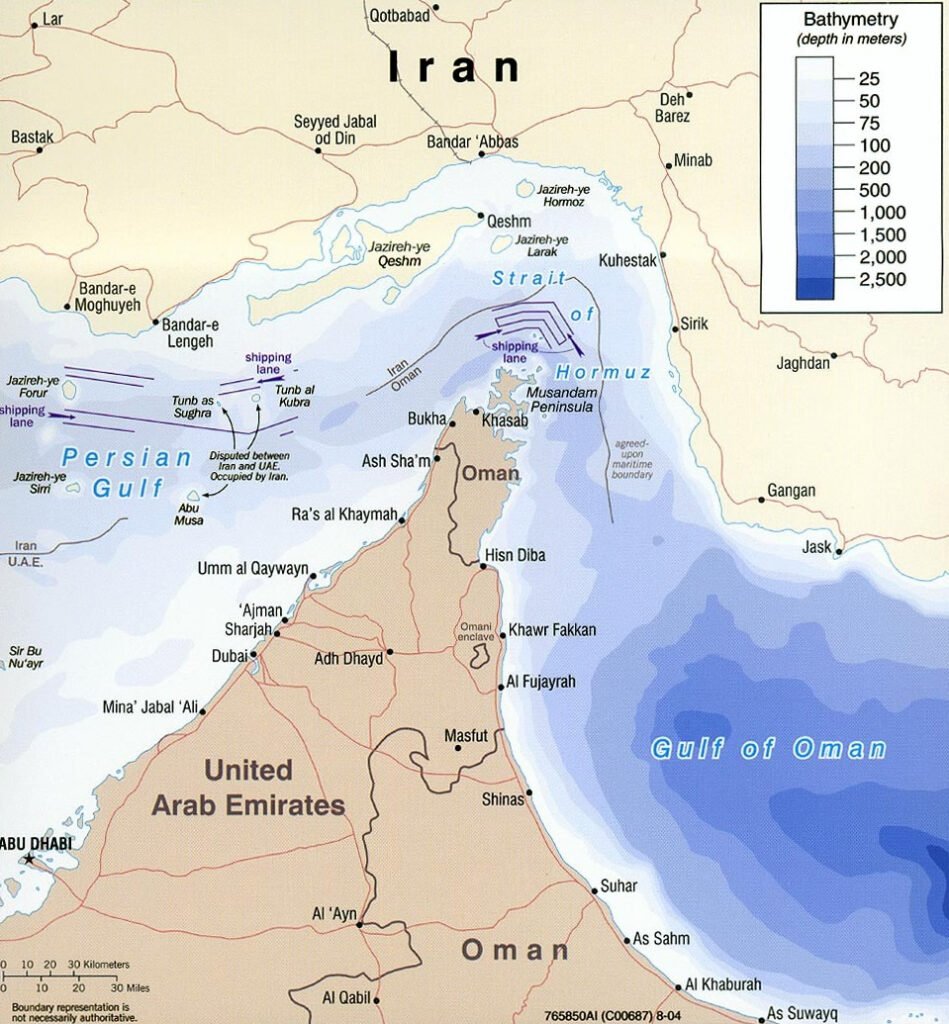
The conflict, which began in February, continues to affect shipping. Iran’s military said Saturday that three oil tankers caught fire after striking mines in the Strait of Hormuz. The Revolutionary Guards said two vessels had switched off tracking systems and tried to use an unauthorized route. The claims could not be independently verified, and the US military has said it cleared the main routes of mines.
Tehran has insisted that ships obtain its authorization to cross the strait. The United States has imposed a naval blockade on Iranian ports and provides military support to tankers using the waterway.
Brent crude was trading at $95.89 a barrel Friday afternoon, compared with about $72 in late February before the war, CBS reported. The International Energy Agency said in its November report that global oil supply surpassed demand in October for the first time since the war began, but warned that attacks on shipping remain a risk.
Other regional developments
CBS reported that the US military denied an Iranian claim to have destroyed an early-warning radar in Bahrain, saying two Iranian drones were shot down and caused no damage. Turkey and Qatar signed a mutual defense agreement Friday, according to Turkish President Recep Tayyip Erdogan’s office.
What happens next
There is no announced date for new US-Iran talks. Netanyahu has not said what action Israel might take, and the IAEA has not announced any agreement with Iran on access to the Isfahan site.
Sources: Dawn’s Nov. 14, 2026 report and CBS News live updates