
Two Iranian officials say Tehran has plans to hit Gulf undersea cables. Analysts say impact may be limited.
Tehran has drawn up detailed plans to target undersea communications cables in the Gulf if the United States and Israel attack Iran again, two senior Iranian security officials told Reuters. They spoke on condition of anonymity and gave few details.
The officials did not say how or where such attacks would be carried out. One said Iran would aim to prevent repairs after any attacks in order to prolong disruptions to communications, including internet connections. The other said that if Iran is attacked, there will be no more red lines, from undersea cables to military bases, including covert ones. The official warned Washington not to play with fire and said Iran had full access to the cables. Yadollah Javani, deputy head of political affairs for the Revolutionary Guards, said Wednesday that Iran could target seven major internet cables beneath the Strait of Hormuz if its infrastructure came under attack. Top security official Mohsen Rezaei warned this month that U.S.-linked digital infrastructure across the Gulf, including data centers and AI facilities, could be targeted.
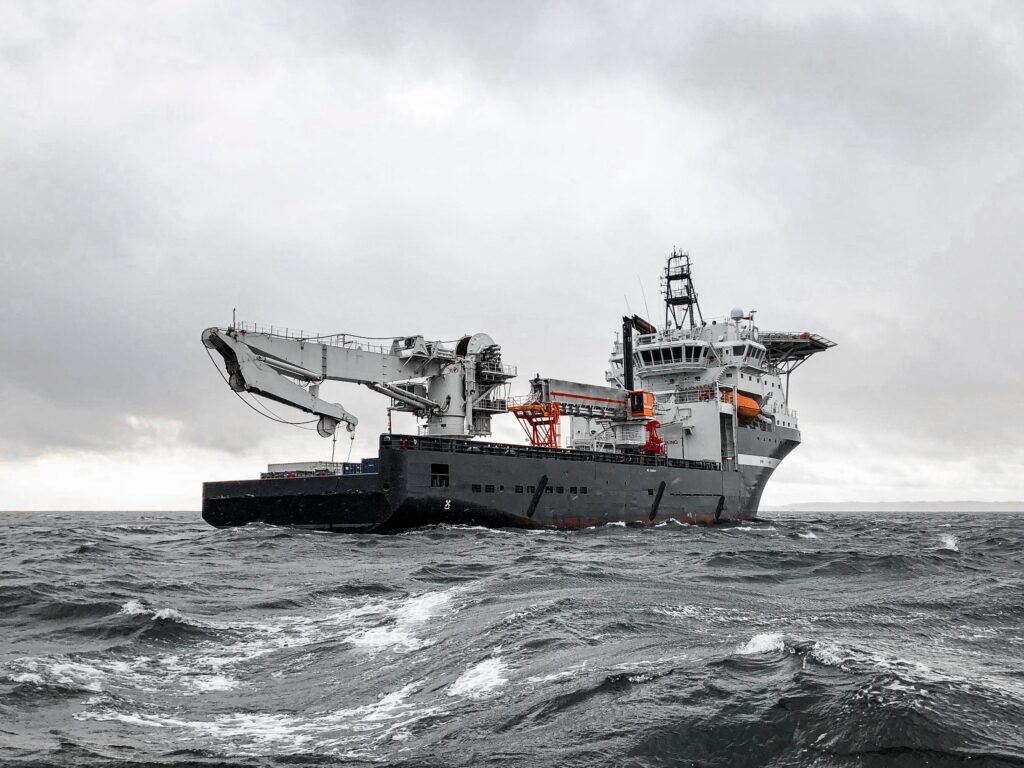
Undersea cables carry about 99% of global internet traffic, according to the International Telecommunication Union. The impact of attacks in the Strait of Hormuz could be limited, though, because less than 1% of international bandwidth passes through it, said Alan Mauldin of the research firm TeleGeography. Multiple cable cuts could slow internet services and disrupt financial transactions, e-commerce and cloud computing, analysts said. The effect would depend on how operators reroute traffic. Restoring connections during wartime could be difficult, and higher insurance costs and delays in obtaining permits could complicate repairs. The Red Sea, which accounts for about 3% of global international demand and 10% of traffic between regions, could be a more significant target, Mauldin said. Tehran has made no public statement indicating it plans to target cables there. Alex Vatanka of the Middle East Institute said the threats are meant to deter renewed conflict and to push Gulf governments and U.S. companies to press Trump over the risks to their investments. The U.S. State Department and Iran’s Foreign Ministry did not respond to requests for comment, and there was no immediate comment from Gulf states.

Gulf governments have invested heavily in technology to become global artificial intelligence hubs, deepening ties with U.S. technology firms. Iranian strikes directly hit two Amazon Web Services facilities in the United Arab Emirates in March and damaged infrastructure near one in Bahrain. The Guards named U.S. tech companies including Microsoft, Google, Apple and Nvidia as legitimate targets at the height of the war in March. Microsoft plans to invest more than $400 million in subsea and terrestrial connectivity across the Middle East by 2030.
The threats come amid the worst month on record for attacks on shipping around the Strait of Hormuz, according to the Washington Institute for Near East Policy. Noam Raydan, a senior fellow, recorded 28 confirmed and reported attacks in October and 113 since the war began on Feb. 28. The International Maritime Organization recorded 120 incidents. More than 30 supertankers have been damaged, including 11 in October, about 3.5% of the global supertanker fleet, according to a Reuters review. The Greece-based consultancy Marisks said a dozen ships were attacked from Oct. 5 to 11, the highest weekly total of the conflict. The British maritime agency UKMTO recorded 135 incidents as of Oct. 16 and said it is struggling to capture the whole picture because shippers do not report enough. Raydan said Iran is intensifying attacks to slow the recovery in shipments and keep pressure on global energy markets ahead of the Nov. 3 U.S. midterm elections.
Information for this report was provided by Reuters via the Algemeiner.