
Prediction markets like Polymarket now cover elections, sports and pop culture. Regulators are still deciding how to respond.
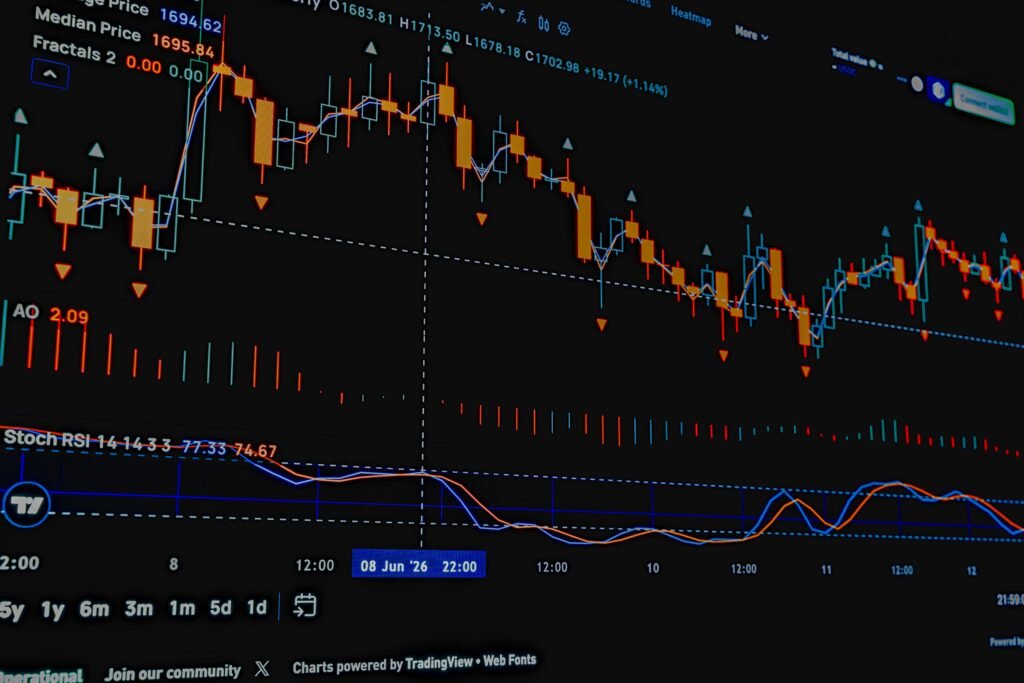
Polymarket, a blockchain-based prediction market platform, has expanded rapidly beyond its early focus on elections and political outcomes. Users can now trade on contracts tied to sports results, entertainment awards, economic indicators, corporate announcements and geopolitical events, effectively turning almost any measurable future outcome into a tradeable market. Industry reporting this year has pointed to billions of dollars in trading volume moving through the platform, alongside a marked concentration of activity among a relatively small share of active accounts.
The platform’s growth reflects a broader trend in the prediction-market industry, which has increasingly positioned itself as a real-time barometer of public expectation on everything from weather events to product launches. Proponents argue that these markets aggregate dispersed information efficiently, often reacting to breaking news faster than traditional polling or commentary. Reports this year also pointed to moves by Polymarket to open access to previously institution-only, privately structured event contracts, a step that would broaden the platform’s reach into corporate and financial outcomes if fully implemented.
That expansion has drawn continued scrutiny from regulators in multiple jurisdictions, who have raised questions about how such contracts should be classified — as forms of gambling, as derivatives, or as a new financial category altogether. Oversight has varied significantly by country, with some markets restricting or barring access to the platform while others have allowed it to operate with fewer limits, creating an uneven global regulatory landscape.
Analysts say the core question facing the industry is less about whether prediction markets can expand into new categories, and more about how quickly regulatory frameworks will adapt to a product that already touches politics, sports, finance and entertainment simultaneously. How that balance is struck is likely to shape the platform’s trajectory over the coming year.
Polymarket built much of its early public profile around the 2024 U.S. presidential election, when its odds were widely cited by media outlets alongside traditional polling as a real-time gauge of the race. That visibility also drew new competition, most notably from Kalshi, a U.S.-regulated exchange that has pursued a more traditional regulatory path by operating under oversight from the Commodity Futures Trading Commission, positioning itself as a compliant alternative to Polymarket’s largely offshore, crypto-based structure.

Polymarket’s relationship with U.S. regulators has been contentious. The platform has geo-blocked U.S. users since a 2022 settlement with the CFTC over unregistered event contracts, even as the company has pursued legal and business avenues to reenter the American market, including reported acquisitions of CFTC-licensed exchanges. Federal agencies have also examined the platform in connection with a separate investigation into whether it permitted trading by U.S. residents despite the block, underscoring the friction between a globally accessible platform and jurisdiction-specific financial rules.
Critics of prediction markets have also raised concerns about the potential for manipulation, arguing that traders with early access to non-public information — about corporate decisions, government actions or even sports outcomes — could profit by trading ahead of public disclosure, similar to insider-trading concerns in traditional securities markets. Supporters counter that the same profit incentive that creates manipulation risk also drives traders to seek out accurate information, and that platforms have added safeguards such as market resolution disputes and community-flagging systems to catch anomalies. Regulators in multiple countries continue to weigh whether existing gambling, securities or derivatives law is the right framework for a product that increasingly resembles all three.
Sources: This report draws on published industry and financial reporting on Polymarket’s 2026 expansion, alongside independent analysis by Aurax News.