
France is introducing targeted security measures after violent protests damaged businesses and public buildings. Macron has rejected his interior minister’s resignation.
PARIS — French President Emmanuel Macron has rejected Interior Minister Laurent Nuñez’s offer to resign following a weekend of violent unrest that saw businesses looted, public buildings damaged and clashes between police and demonstrators. The government is moving to strengthen security, with Prime Minister Sébastien Lecornu directing regional authorities to introduce limited, localized overnight curfews in areas at risk of further violence.
The unrest followed demonstrations driven by public anger over rising living costs, strained public services and concerns about education. Protests that began as expressions of broader social and economic grievances escalated into violence in several French cities on Saturday, Oct. 17, with further clashes reported on Sunday. Groups of people damaged property, set fires and broke into shops, while police intervened to disperse crowds and prevent additional looting. The scale of the destruction has intensified pressure on the government to restore order.
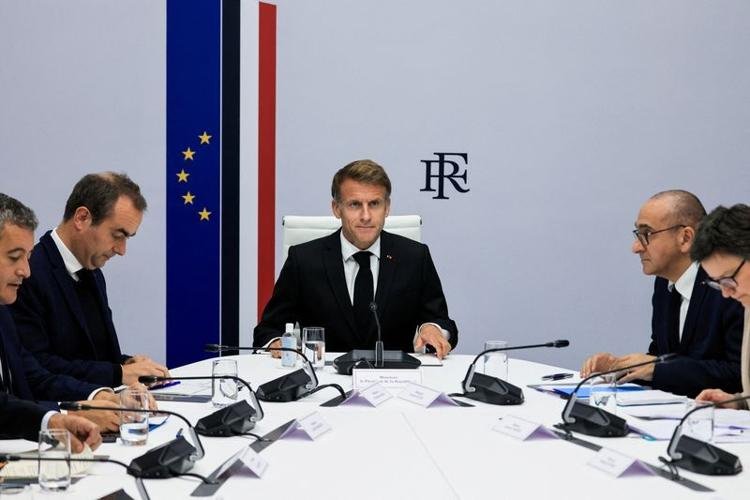
The Élysée presidential office said Monday that Macron had declined Nuñez’s resignation to preserve the chain of command within the police and security services. The president also asked the interior minister to develop new measures to address looting. Nuñez had offered to step down amid criticism of the security response, as officials faced questions about preparations for the demonstrations and the ability of police to contain violent groups.
Lecornu announced the curfew measures after an emergency meeting with senior government officials. The restrictions are intended to be limited in scope and targeted at locations where authorities consider them necessary to prevent further disorder. Their implementation will depend on local assessments by regional officials. The government has also announced a major law enforcement operation to identify people suspected of participating in vandalism and looting, including through the examination of surveillance footage and material shared on social media.
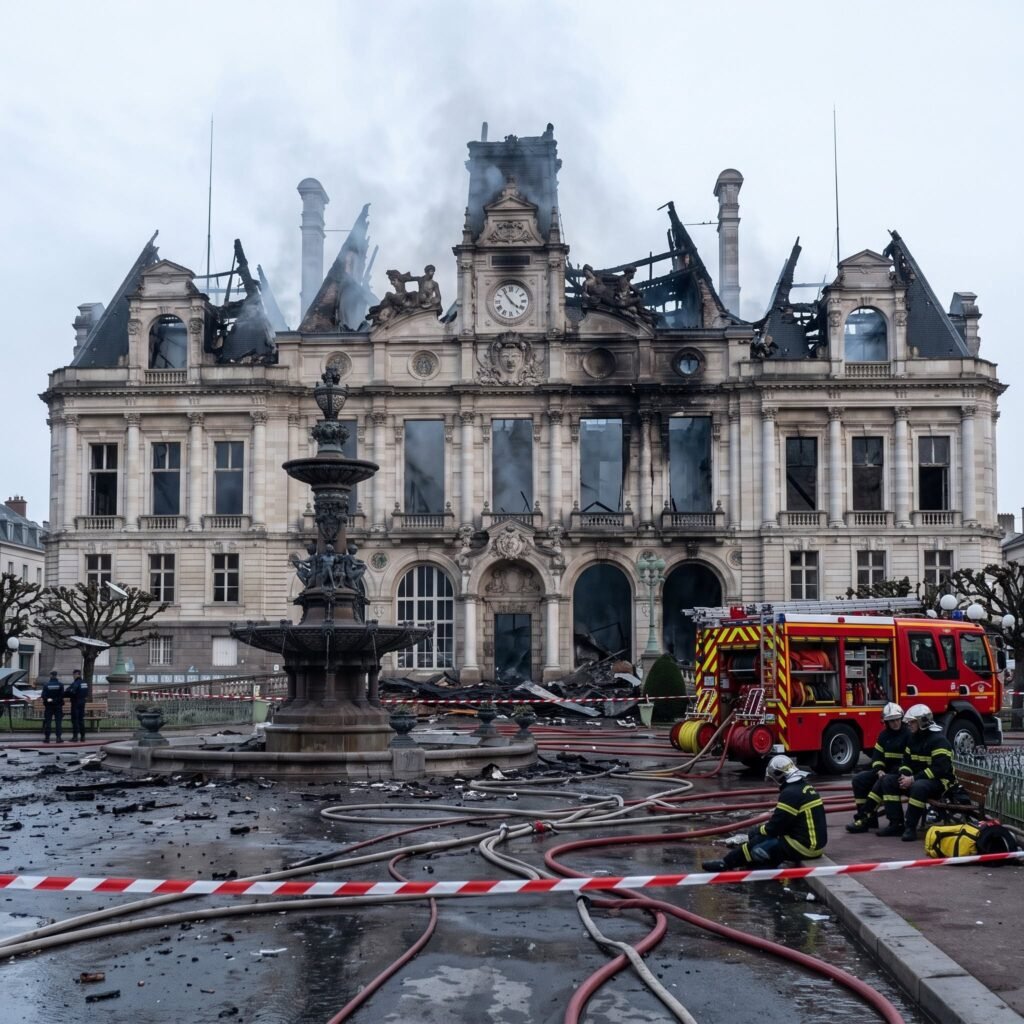
The violence has caused extensive damage to commercial premises and public buildings. Limoges, in central France, was among the cities affected, with its historic town hall severely damaged by fire. Paris and Marseille also experienced further disturbances. Authorities reported approximately 2,400 arrests in connection with the unrest, while police and other emergency personnel faced demanding conditions during the response. Officials have emphasized the need to hold those responsible for criminal acts accountable, while the demonstrations’ broader economic and public-service grievances remain part of the political debate.
The government’s response places renewed attention on public security and Macron’s leadership as France approaches its next presidential election in 2027. The immediate priority is to prevent further property destruction and restore normal activity in affected communities. Whether localized curfews and expanded investigations will contain the unrest remains to be seen, while the government faces continued scrutiny over its handling of the demonstrations and the underlying public concerns.
This report is based on reporting by Reuters, The Associated Press, Anadolu Agency, Al Jazeera, NBC News and France 24, alongside statements attributed to the French presidential office and government officials.