
Dowlath outlined discipline measures under the National School Code of Conduct. He questioned a $35.28 million program’s results.
Education Minister Dr. Michael Dowlath has outlined the disciplinary measures in the revised National School Code of Conduct and questioned the effectiveness of a $35.28 million program to support families, saying he is still waiting for a comprehensive report on its results.
The code sets a range of consequences for student misconduct, from student conferences, warnings and parental engagement to detention, suspension, police reports and, for serious offenses, expulsion. Dowlath said the framework is meant to protect students while ensuring schools respond to misconduct consistently. He said compassion cannot mean allowing one child’s behavior to endanger another’s safety, and that schools have a responsibility to protect both the child who needs help and the child who is being harmed. He said children are not criminals but a responsibility.
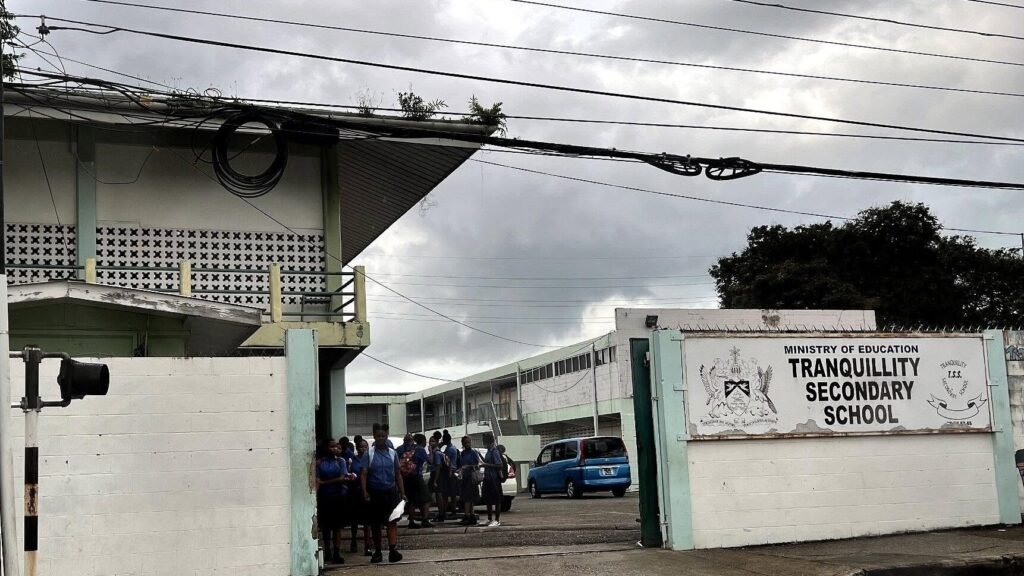
The 2026 edition merges the 2018 code, the school discipline matrix and the measures for reintegrating students into a single document. It enshrines a zero-tolerance approach to violence, illegal items, assault and criminal behavior. The ministry cited more than 22,000 suspensions between 2022 and 2025, with fights and assaults without weapons increasingly common, most often in unsupervised periods such as lunch and after school. The code bans corporal punishment and says measures must be proportionate and consistent with due process and the student’s best interests. It provides for suspensions of up to seven days with learning support, extended suspensions with referral to rehabilitative programs, and expulsion warning letters issued by the education minister. It also creates School Health, Safety and Security Officers and allows school-oriented police officers to be deployed to selected schools. The code is guidance and does not create legal rights or override the Education Act, and principals keep discretion in applying it.
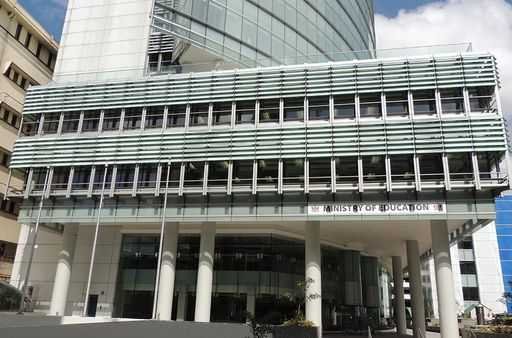
Dowlath also questioned the Re-engaging Families program, which was implemented in 106 schools, including 80 primary and 26 secondary, at a cost of $35.28 million over three years. He said he asked for reports on the program when the government took office in May 2025 and is still waiting for a comprehensive report. He said the information available pointed to low attendance and low participation. He said the findings raise questions about its effectiveness as the government reassesses how to address student behavior and improve educational outcomes.
Information for this report was provided by [broadcaster] and the Ministry of Education’s 2026 National School Code of Conduct.