
|
Getting your Trinity Audio player ready...
|
The appearance of the Punisher skull on the uniform of Trinidad and Tobago’s Commissioner of Police has ignited public debate, raising broader questions about vigilantism, law enforcement symbolism, and the meaning behind one of pop culture’s most controversial emblems.
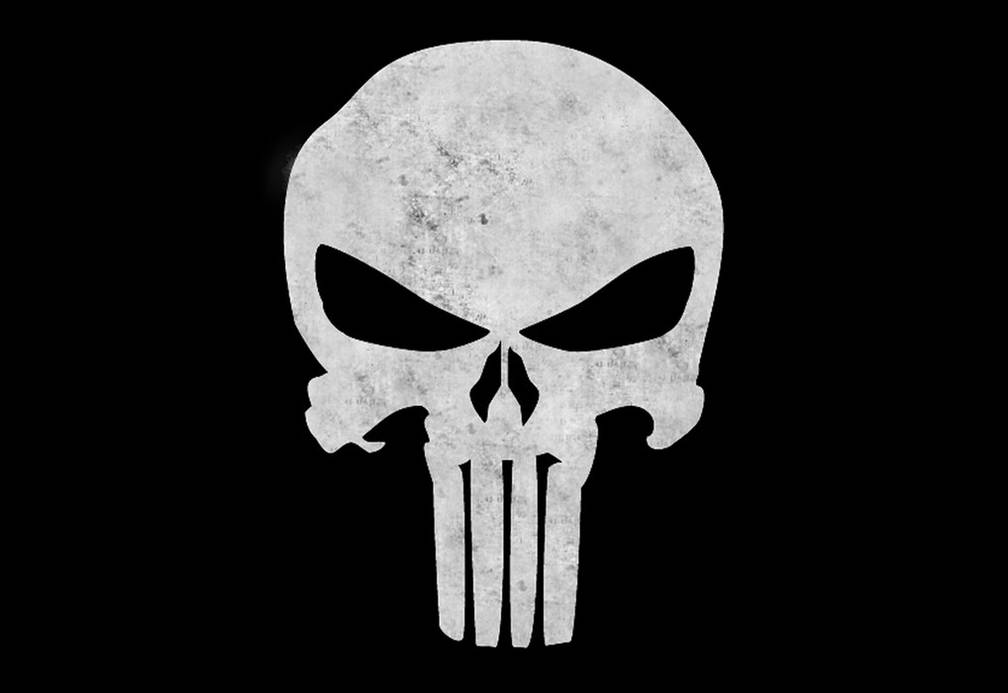
The Punisher skull, a symbol from Marvel Comics, has taken on new meaning outside its fictional origins.
Trinidad and Tobago’s Commissioner of Police, Allister Guevarro, has come under scrutiny after appearing in public wearing a patch bearing the distinctive Punisher skull emblem. The image quickly circulated online, prompting criticism from civil society groups and sparking a formal complaint to the Police Service Commission.

Commissioner Allister Guevarro during a public appearance where the Punisher patch was visible.
Critics argue the symbol represents vigilante justice rather than constitutional policing, and say its presence on an official uniform risks undermining public confidence. Supporters counter that the emblem reflects strength and resolve against violent crime.
“The Punisher represents a failure of the justice system — not its ideal.” — Gerry Conway, co-creator of The Punisher.
To understand the reaction, one must examine the origin of the symbol itself.
From Comic Book Vigilante to Cultural Symbol
Punisher symbol as depicted in Marvel Comics.
The skull originates from The Amazing Spider-Man #129, published by Marvel Comics. Frank Castle, a former Marine, becomes a vigilante after his family is murdered. Unlike Spider-Man or Captain America, the Punisher does not believe in arrest. He executes criminals. The skull symbolizes uncompromising punishment and a personal war on crime.
Law Enforcement Adoption and Backlash

Variations of the Punisher skull have appeared on military and law enforcement gear internationally.
Over the past two decades, versions of the skull have appeared on police and military equipment in several countries. For some officers, it signals toughness and solidarity. Critics argue the imagery conflicts with constitutional policing. Law enforcement officers are sworn to uphold the law — not operate outside it.
Public Reaction and Institutional Messaging
In societies confronting high crime, symbolism matters. Police uniforms communicate authority, restraint and adherence to due process. When a vigilante emblem appears alongside official insignia, it can send mixed messages. As the Police Service Commission reviews the matter, the discussion continues — not only about one patch, but about what policing symbolism should represent in a constitutional democracy.
Sources: Trinidad and Tobago News | Public statements | Local reporting on Commissioner controversy | Aurax Radio News Desk