
Attacks on ships near the Strait of Hormuz have surged this month. A tugboat was struck Sunday morning.
Attacks on commercial ships in and around the Strait of Hormuz have surged this month, with a British maritime monitor reporting 10 in the week ending Friday and another vessel struck Sunday. Iran and the United States remain at odds over who controls the waterway.
The U.K. Maritime Trade Operations agency said October has become the busiest month for reported attacks on shipping in the strait since March, in the early months of a war that began in February. CBS News reported that 23 attacks have been recorded since the start of the month, almost double the average. One ship sank last week. The agency said it is struggling to report the true number because most ships now decline to report attacks. Since early July, most attacks have occurred off Oman, where the U.S. military has been guiding vessels at risk of Iranian attack, The Associated Press reported. The increase followed President Donald Trump’s rejection late last month of a Tehran proposal to end the war and open the strait. Indirect negotiations have continued.
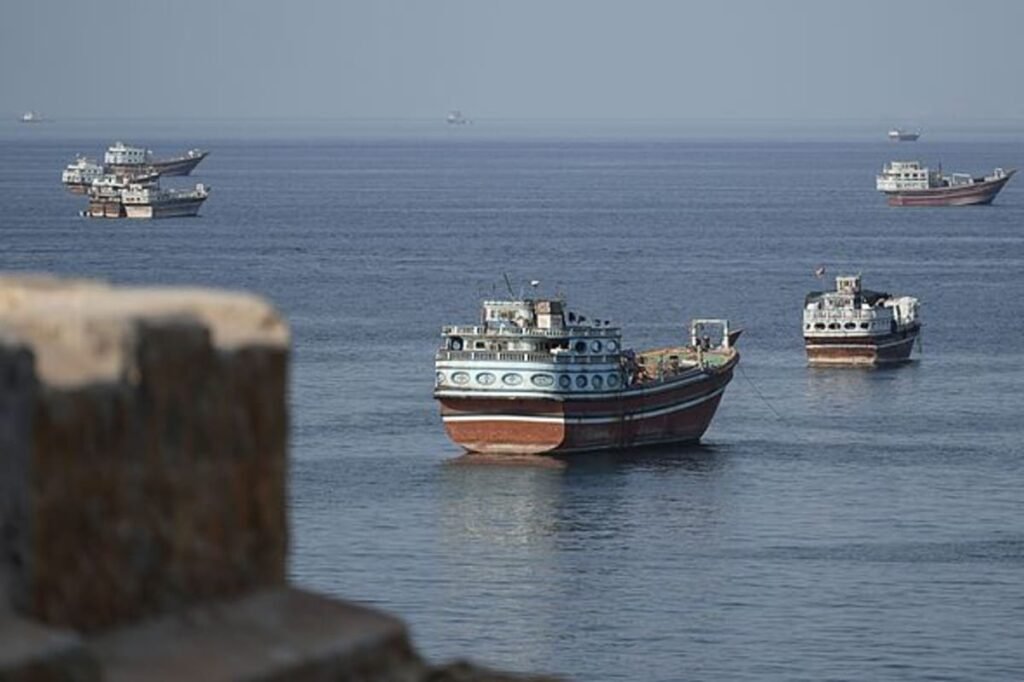
On Sunday, the agency said a tugboat traveling south off the coast of the United Arab Emirates reported being struck by two unknown projectiles. The tug was damaged and continued on its route, and one minor casualty was reported. Al Jazeera reported that gunmen also fired on a liquefied natural gas tanker off Yemen. On Friday, the agency reported two attacks off Al Jubayl in Saudi Arabia. One tanker was struck by an unknown projectile and its crew was evacuated safely. A second was hit by a rocket-propelled grenade fired from a small boat, which damaged its stern, and its crew was safe. On Saturday, Iran’s Revolutionary Guards said a supertanker carrying more than 2 million barrels of crude hit a mine and caught fire. The Guards said the vessel was trying to pass with U.S. support and had switched off its tracking systems. They did not say where it happened, and the claim could not be independently confirmed.
The Trump administration says the strait is open. Tehran says it is closed to all traffic unless Iranian authorities grant permission. An Iranian army spokesman said Friday the strait would reopen if the U.S. leaves the region. Iranian President Masoud Pezeshkian denied Friday that Iran seeks nuclear weapons, said Tehran is ready for dialogue and condemned U.S. sanctions. CBS News reported, citing sources, that the White House and Pentagon have prepared plans to use the 30,000-pound Massive Ordnance Air Blast bomb on military sites in Iran if Trump orders it. A White House spokesperson declined to comment on sensitive military plans and said the president keeps all options on the table. Trump said last week the U.S. would not attack Iran before the midterm elections.
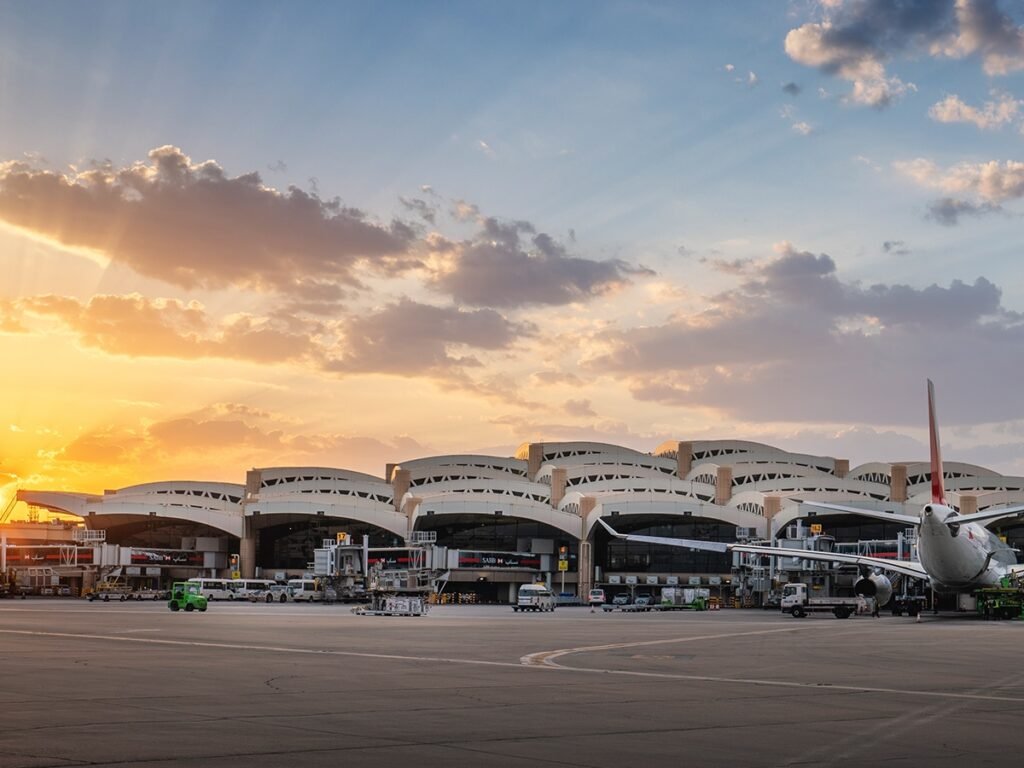
Fighting has also intensified on a second front. On Sunday, the Saudi-led coalition said it intercepted two ballistic missiles fired by Iran-backed Houthi rebels toward the southwestern city of Khamis Mushait and a drone fired at Riyadh. At least 19 people have been killed in more than a week of Houthi attacks on Saudi Arabia, including 13 at Riyadh’s King Khalid International Airport last Saturday. Iran denies involvement and has offered to mediate, an offer Yemen’s foreign minister rejected. Egyptian President Abdel Fattah al-Sisi said Egypt is ready to defend Saudi Arabia if requested. Saudi forces also reported two pilots killed Sunday in a helicopter crash near the Yemen border that they attributed to a technical malfunction. Iraq’s foreign minister said the war has cost his country about $60 billion in oil export revenue.
Information for this report was provided by CBS News, Al Jazeera, The Associated Press and Agence France-Presse.