
|
Getting your Trinity Audio player ready...
|
Meta unveiled virtual reality glasses and camera-free smart glasses. The lineup expands Meta’s push into AI-powered wearable devices.
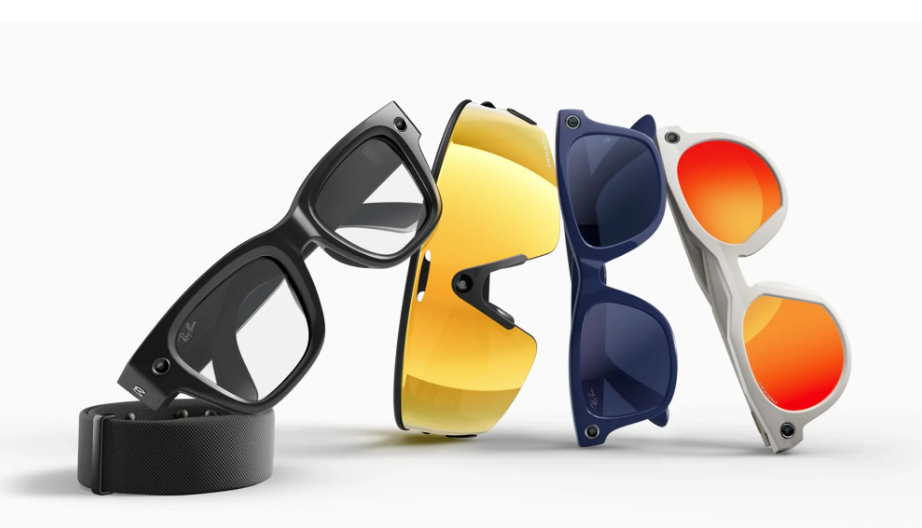
Meta Platforms unveiled a new generation of wearable devices at its annual Connect conference Wednesday, including virtual reality glasses priced at $1,299 and a new pair of camera-free Ray-Ban smart glasses. The announcements extend the company’s efforts to move computing and artificial intelligence beyond smartphones and traditional personal computers.
The Meta VR Glasses are designed to provide virtual reality, spatial computing and large-screen entertainment in a glasses-style device weighing about 100 grams. Meta said the glasses are scheduled to launch in spring 2027 at $1,299. The company presented the device as a more portable approach to virtual and mixed-reality computing, with applications including watching movies, gaming and using virtual workspaces.
Meta also introduced Ray-Ban Meta Audio, its first audio-only smart glasses developed with EssilorLuxottica. Unlike Meta’s camera-equipped Ray-Ban models, the new glasses are designed around open-ear audio, voice calls and access to Meta’s artificial intelligence assistant without a camera. They weigh 43 grams, offer up to 12 hours of battery life and start at $349, with shipments scheduled to begin Oct. 13.
The company is also integrating its Muse personal AI agent into its AI glasses, allowing users to interact with the assistant without reaching for a phone. Meta launched Muse earlier in September with capabilities including sending emails and booking travel, and Reuters has reported that the service had surpassed 2.5 million downloads in the United States within two weeks of its launch.
Meta further announced Muse Charm, a small, pocket-sized device intended to provide access to its AI assistant without requiring a smartphone or glasses. The company said the device combines Muse with a real-time voice model, while additional details are expected later this year.
The camera-free glasses arrive as technology companies face increasing scrutiny over privacy and recording concerns surrounding AI-enabled wearables. Reuters has reported growing regulatory and public attention to smart glasses that can capture audio, images and information from their surroundings, prompting some companies to explore designs that remove cameras or give users greater control over recording.
Meta’s broader strategy includes expanding its AI glasses lineup to more than 100 styles across Ray-Ban, Oakley and Meta Glasses by the end of the year. The company also announced new features for its Ray-Ban Meta Display glasses, including hands-free navigation and expanded availability in several European markets, Canada and the United Kingdom.
Sources: Information for this report was drawn from Reuters, Meta and Bloomberg, with product details cross-checked against Meta’s official announcements.