
|
Getting your Trinity Audio player ready...
|
Bill follows the State of Emergency’s expiration. It targets gangs, violent crime and illegal weapons through supervised operations.
Government Introduces Special Operations Bill Amid Constitutional Concerns
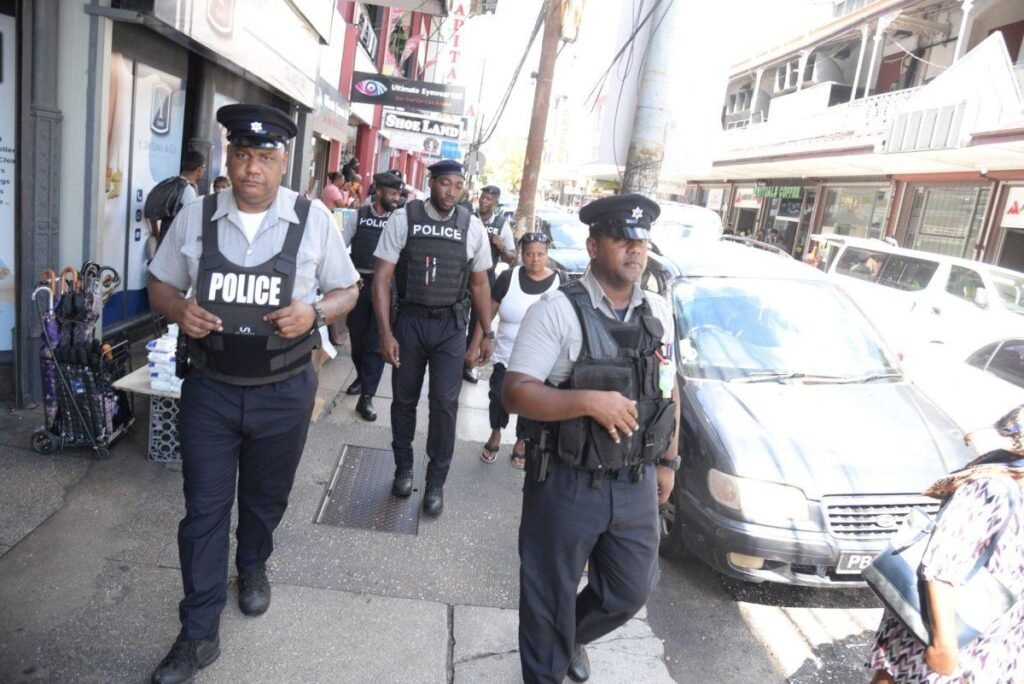
The Trinidad and Tobago Government has introduced the Special Operations Bill, 2026, establishing a legal framework for targeted security operations following the expected expiration of the State of Emergency on September 17.
Prime Minister Kamla Persad-Bissessar, who introduced the legislation in the House of Representatives on September 16, said the Bill would support operations against violent crime, gang activity and illegal weapons. Police would lead the operations, with assistance from the Trinidad and Tobago Defence Force where necessary.
The legislation proposes dividing the country into seven policing districts, with designated police and military leadership responsible for coordinating operations. It also provides for joint protocols and separate standard operating procedures governing the conduct of security personnel.
However, the Bill has generated concerns from Opposition lawmakers over the scope of the proposed powers and the process used to bring the legislation before Parliament.
Opposition Questions Debate Timeline and Constitutional Safeguards
Opposition Leader Pennelope Beckles questioned the timing of the legislation’s introduction, raising concerns about the limited period available for lawmakers to review and debate the Bill.
The procedural exchange reflected early disagreement between the Government and Opposition over the parliamentary process. Persad-Bissessar defended the legislation and referenced the Government’s previous efforts to address violent crime.
During the subsequent debate, Opposition MP Keith Scotland argued that the proposed legislation raised serious constitutional questions. He identified concerns involving restrictions on freedom of movement, warrantless searches, cordoning off areas without a judicial order and the imposition of curfews.
Scotland argued that these provisions could affect constitutionally protected rights and questioned whether the Bill required approval by a three-fifths majority.
Opposition MP Kareem Marcelle also raised concerns about the extent of the proposed search, seizure and detention powers. His questions included whether authorities could conduct searches across entire streets or homes, seize property and detain individuals for extended periods before they appear before a court.
Marcelle further questioned how residents could access legal and judicial services if magistrates, registrars or justices of the peace were located within areas designated as closed zones.
Government Defends Bill’s Constitutionality
Attorney General John Jeremie defended the legislation, arguing that the Bill was limited in scope, temporary and distinct from a State of Emergency.
Jeremie said the proposed framework included safeguards such as training in human rights, the use of force, community engagement and de-escalation. He also pointed to provisions involving body-worn cameras, registered firearms, complaints procedures and judicial scrutiny of arrests and detention.
The Attorney General maintained that the legislation could be passed by a simple majority and that the exercise of its powers would remain subject to constitutional principles, including proportionality.
The Government has argued that the measures are intended to target criminal activity rather than law-abiding residents.
Closed Areas, Curfews and Search Powers
Under the Bill, the President would have the authority to declare specified locations as “closed areas.” Such declarations could permit security authorities to establish cordons, impose curfews and regulate entry into or departure from designated areas.
The legislation also provides for enhanced search, seizure, arrest and detention powers in specified circumstances. These provisions have become a central point of disagreement, particularly concerning the extent of warrantless searches and the protection of individual rights.
The Government says the powers would operate within a framework of judicial oversight. The Bill also includes provisions addressing detainees’ access to medical care and visitation.
Oversight and Accountability Measures
The proposed framework includes operational safeguards intended to regulate the conduct of police and Defence Force personnel.
These measures include:
- Training in human rights and the use of force.
- Community engagement and de-escalation procedures.
- Body-worn cameras during operations.
- Registration of weapons used by participating personnel.
- Recording and handling of public complaints.
- Judicial oversight of detention and related procedures.
- Monthly reports to the Prime Minister and the ministers responsible for national security.
- An annual report to Parliament.
The Bill also contains a two-year sunset clause, meaning the legislation would expire unless renewed through the required parliamentary process.
Security Objectives and Public Debate
Persad-Bissessar cited Government figures indicating that thousands of people had been arrested and charged during the State of Emergency period. The figures were presented as evidence of the administration’s ongoing efforts to address serious crime, although the statistics were government-provided and were not independently verified in the parliamentary record.
The Special Operations Bill now places the Government’s security strategy within a proposed statutory framework. While Persad-Bissessar and Jeremie have emphasized operational effectiveness and legal safeguards, Beckles, Scotland and Marcelle have raised questions about parliamentary procedure, constitutional protections and the practical application of expanded security powers.
The debate therefore centres on how Trinidad and Tobago can address violent crime while maintaining judicial oversight, individual rights and accountability for state authorities.
Sources: Trinidad and Tobago Parliament’s Special Operations Bill, 2026, the September 16, 2026 House of Representatives Hansard, and reporting from the Trinidad and Tobago Guardian and TTT News.