
The Federal Reserve raised its benchmark interest rate by a quarter percentage point Wednesday, seeking to contain persistent inflation despite political pressure for lower borrowing costs. The increase marks the first rate hike in more than three years and signals that policymakers remain concerned about price pressures linked to energy costs, strong demand and broader economic uncertainty.
The U.S. central bank lifted its target range to 3.75% to 4% after keeping rates unchanged through five consecutive meetings. The decision was approved unanimously, according to The Washington Post, and came as inflation remained above the Fed’s long-term target of 2%.
Fed Chair Kevin Warsh, who began leading the central bank earlier this year, has emphasized the need to bring inflation under control more quickly. Updated projections indicated that most Fed policymakers expect at least one additional rate increase before the end of the year, while inflation is projected to remain above the central bank’s target for an extended period. The projections also included a slightly stronger growth outlook and a lower expected unemployment rate.
The decision followed months of elevated prices and renewed pressure from rising oil costs associated with the war involving Iran. Higher energy prices can raise transportation and production expenses, placing additional pressure on the prices of goods and services. Strong investment connected to artificial intelligence infrastructure has also contributed to demand and complicated the Fed’s efforts to slow inflation without causing a sharp economic downturn.
Higher interest rates increase the cost of borrowing for banks and can eventually affect consumer and business loans, including credit cards, adjustable-rate mortgages and some car loans. Fixed-rate mortgages are influenced more directly by longer-term Treasury yields and may not immediately move in line with the Fed’s decision. Savers, however, could see higher returns on some savings accounts and short-term certificates of deposit.
The rate increase also comes amid tensions between the central bank and President Donald Trump, who has repeatedly called for lower interest rates to reduce borrowing costs and support economic activity. Warsh has indicated that monetary policy decisions will be made based on economic conditions rather than political demands. The timing of the decision, less than two months before the U.S. midterm elections, adds to its political significance, particularly as households continue to face higher fuel, housing and financing costs.
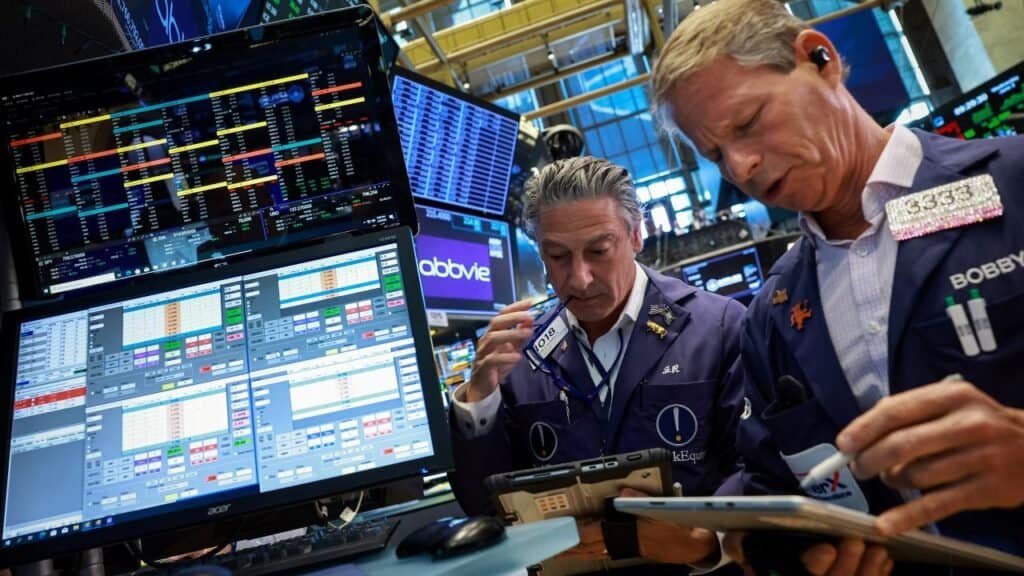
Financial markets reacted cautiously. U.S. stocks weakened after Warsh highlighted continuing inflation concerns and the possibility of further tightening, while bond yields and the dollar also adjusted as investors assessed the likelihood of additional rate increases. The Fed’s next decisions will depend on incoming inflation, employment and economic-growth data, as well as the effects of energy prices and geopolitical developments.
Sources: Information attributed to Reuters, The Associated Press and The Washington Post.