
Iran says UN inspectors cannot visit damaged sites until the war ends. The IAEA has had no access.
Iran will not allow UN inspectors to visit its damaged nuclear facilities until the war has permanently ended and its conditions are met, a senior Iranian official said, closing the door for now on Iran nuclear inspections at sites bombed by the United States and Israel.
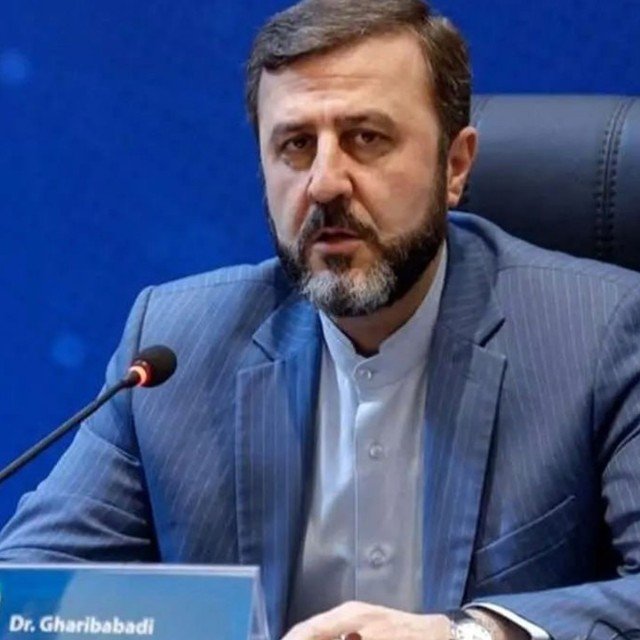
“We will not grant the IAEA access to the facilities until Iran’s conditions are met and the war has permanently ended,” Deputy Foreign Minister Kazem Gharibabadi said in a televised interview late Sunday, according to AFP. The remarks came days after the International Atomic Energy Agency (IAEA) urged Tehran to take steps toward resuming inspections, which have been suspended since last year’s 12-day war with Israel, when the United States also struck Iranian nuclear sites.
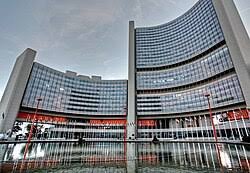
Where Iran nuclear inspections stand
Iranian nuclear facilities were hit again in the war that broke out on Feb. 28, when US-Israeli strikes killed Iran’s supreme leader, Ayatollah Ali Khamenei, AFP reported. IAEA inspectors visited Iran’s Bushehr nuclear power plant in September, but have not gained access to other bombed sites, including Natanz, Fordow and Isfahan, according to AFP.
The refusal to allow Iran nuclear inspections means the agency cannot independently establish the condition of the damaged sites or the status of nuclear material there, according to a report on Gharibabadi’s remarks by Bulgaria’s news.bg. No date has been given for restoring full IAEA access to the affected sites.
Gharibabadi said the agency’s request to inspect damaged facilities was likely aimed at assessing the effectiveness of American weaponry, AFP reported. The IAEA has not publicly responded to that claim in the reports reviewed by Aurax News.
The IAEA said in a recent quarterly report to member states that it is increasingly concerned about Iran’s refusal to let inspectors visit an underground enrichment facility at Isfahan, where it does not know the facility’s exact location, its status for safeguards purposes or whether it contains nuclear material, according to CBS News, citing Reuters. Iran has said conditions created by attacks and continuing threats make normal implementation of safeguards untenable, CBS reported.
Conflicting signals over Iran nuclear inspections
The Iranian position sits uneasily with remarks by President Donald Trump, who has separately said Iran had agreed to the highest level of nuclear inspections, according to WION. Aurax News has not been able to confirm that claim, and Iran’s statement points the other way. Trump also said last week that Washington does not need a deal with Iran, CBS News reported.
Efforts to end the war have made little headway, AFP reported. Tehran is demanding that Washington unfreeze Iranian assets and lift sanctions, among other conditions, in exchange for reopening the Strait of Hormuz, the vital energy shipping route it has blockaded during the conflict. Iranian officials have said talks on Iran’s nuclear program would come at a later stage, so Iran nuclear inspections are effectively tied to a wider settlement.
Earlier this month, the US military announced a $20 million reward for information on Iran’s nuclear program, a move Tehran described as repugnant, according to AFP.
The dispute comes as US officials weigh other Iran-related intelligence. CNN reported on Monday that US officials believe Iran is drawing up options for a possible dirty bomb or chemical attack in Washington, which the White House said does not represent a credible threat to the homeland, as Aurax News has reported.
Iran has previously said inspections at damaged sites are not on the table, according to WION, and in 2025 it argued that the IAEA had no agreed standard for assessing bombed facilities, as the Washington Times reported at the time. Iran’s nuclear chief at that time said the country would consider opening its damaged sites only once a protocol was in place.
The latest position makes Iran nuclear inspections conditional on the end of the war itself, a much higher bar than a procedural protocol. The IAEA has not said how it plans to respond, and the reports reviewed by Aurax News did not say whether talks between Iran and the agency are planned. Aurax News will update this article when the IAEA or the United States responds.
Sources: Arab News/AFP (Nov. 16, 2026), CBS News, WION, news.bg and the Washington Times