
Congo’s Bundibugyo Ebola outbreak has infected over 10,500 people. Two new vaccine candidates will join a clinical trial.
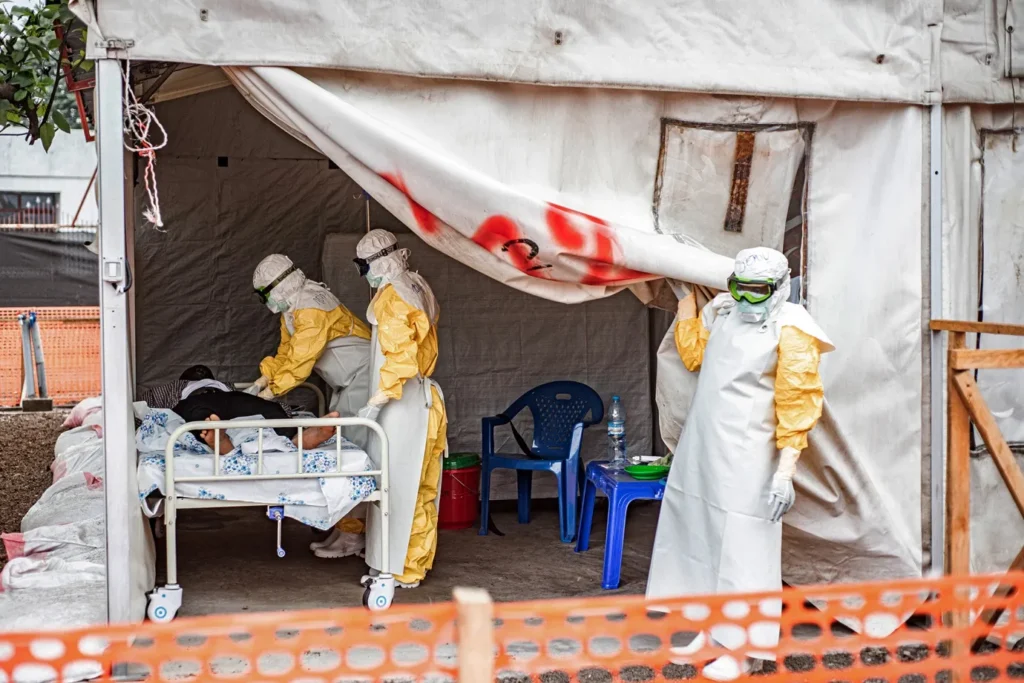
The Ebola outbreak in the Democratic Republic of the Congo has spread to eight provinces in the east and northeast, infecting more than 10,500 people and killing about half of them, according to the United Nations. The outbreak, declared in May, is caused by the Bundibugyo species of the virus, for which there is no licensed vaccine or specific treatment.
On Nov. 4, the World Health Organization said expert groups recommended adding two vaccine candidates to the Tumaini trial in Congo. They are ChAdOx1, developed by the University of Oxford and the Serum Institute of India, and mRNA-1469, developed by Moderna. It will be the first time vaccines designed for Bundibugyo are tested during an outbreak. They will enter the trial after national approvals.
Tumaini uses ring vaccination, enrolling contacts of people with confirmed infection. The licensed Ervebo vaccine, which targets a different species, is already being evaluated in it. Vaccine results are expected in early 2027. A separate WHO-sponsored trial of the antibody MBP134 and the antiviral remdesivir began in July. WHO says early treatment findings are expected in the coming months.
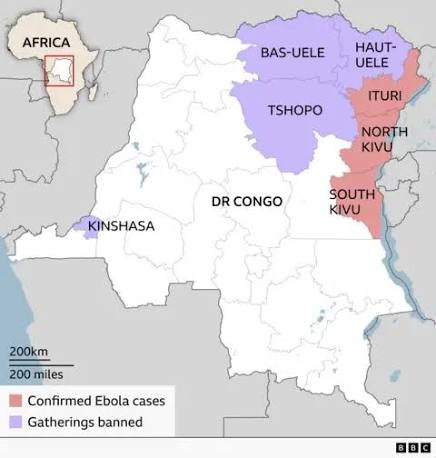
The outbreak has also reached neighbouring Uganda, which had 20 confirmed cases by early July, according to a published review. WHO Director-General Tedros Adhanom Ghebreyesus said the vaccines’ readiness for trials shows the power of science and partnership.
This report draws on the World Health Organization, UN News and CIDRAP.