
Liège has banned gatherings of over three people until Oct. 16. Police report 194 arrests since Oct. 1.
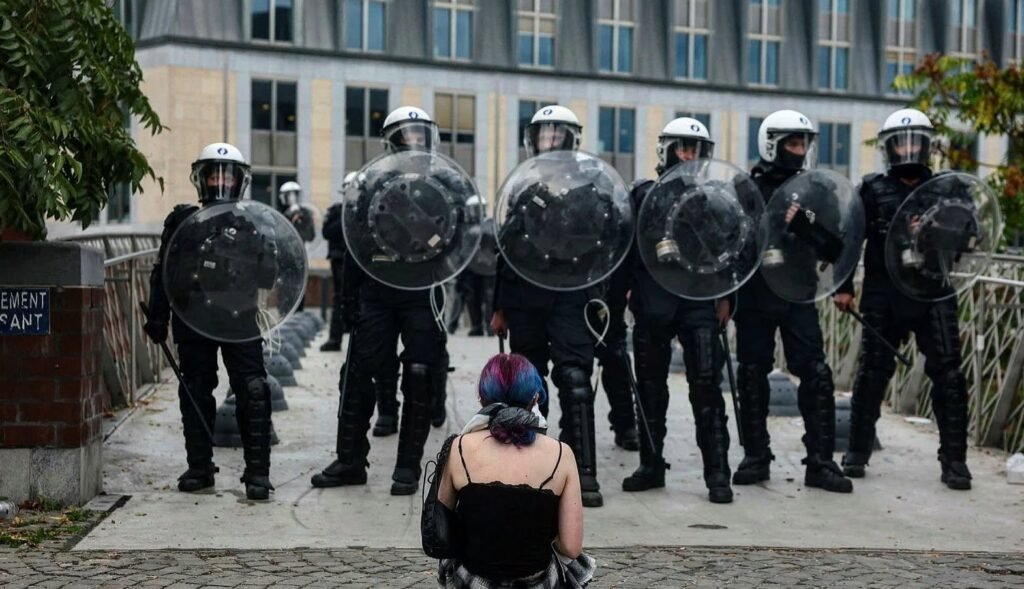
Authorities in the Belgian city of Liège have banned street gatherings of more than three people after a week of student protests marked by clashes with police, broadcaster VRT reported Thursday.
Mayor Willy Demeyer’s order took effect at 6 a.m. local time and runs until 11 p.m. on Oct. 16. Exceptions cover members of the same family, minors accompanied by a parent or responsible adult, and events approved in advance. Demeyer said large crowds complicate police operations and raise the risks for students, and that 43 officers have been injured during interventions.
Police have arrested 194 people in the city since Oct. 1, including 114 minors. Of those, 158 were detained administratively and released within 12 hours, while 36 were placed in judicial detention and face criminal proceedings. Police Chief Jean-Marc Demelenne said violence has risen steadily since Oct. 1 and claimed some of those involved have no connection to the students at the center of the protests.
Security and Home Affairs Minister Bernard Quintin called the situation unacceptable, saying people may disagree but have no right to destroy property or attack others. He accused an alleged Antifa-type movement of influencing minors to carry violent political messages.
Despite the ban, hundreds of pupils and students gathered at the University of Liège on Thursday and set off in a procession toward the city’s railway station.
The protests, which began Oct. 1 over education costs and school conditions, echo a far larger student movement in neighboring France, Axios reported. It said more than 6,500 people, most of them minors, have been arrested there since the unrest began. Axios also reported student actions over school funding in Italy, Greece, Ireland, Germany and Austria.
This report is based on information from Anadolu Agency, which cited VRT, and Axios.