
A Siberian lab worker died of pneumonia of unknown cause. The WHO is seeking more details from Russia.
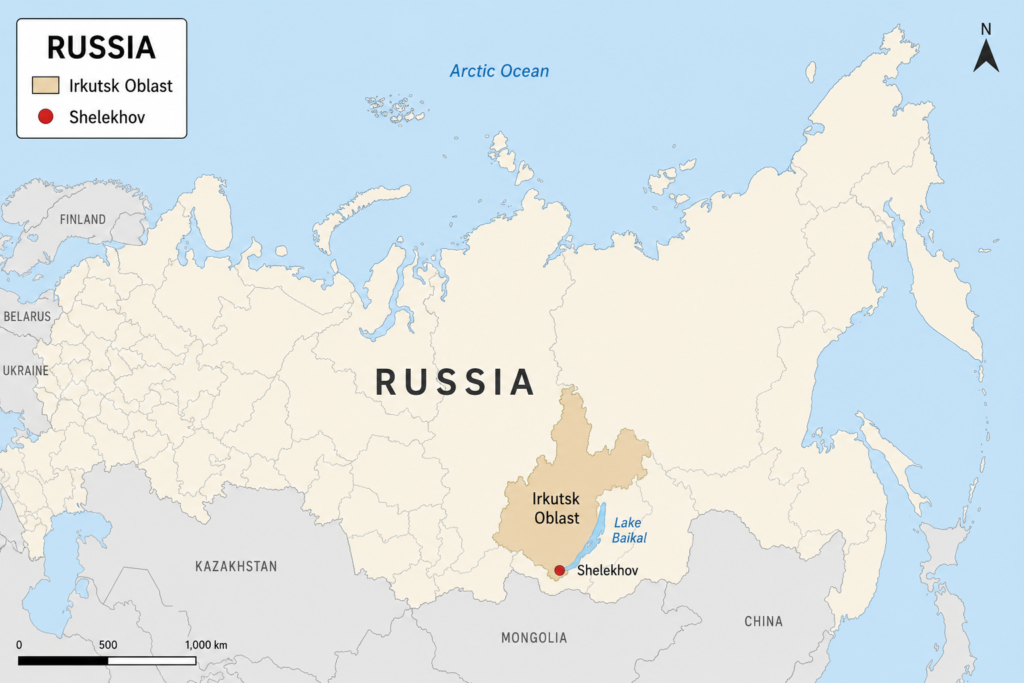
MOSCOW — The World Health Organization said Wednesday it is actively following up on the death of a laboratory worker at a Siberian plague research institute. It has also asked Russian officials about reports of a second employee with pneumonia of undetermined cause. WHO Director-General Tedros Adhanom Ghebreyesus said in a statement on X that the agency has sought details on the cause of the woman’s severe pneumonia and on the pathogen that prompted public health measures.
Russia’s public health agency, Rospotrebnadzor, said the 28-year-old technician, who worked at the Irkutsk Anti-Plague Research Institute of Siberia and the Far East, died Oct. 2 from pneumonia of unknown cause. Nearly 200 people were placed under observation. The agency said testing found no pathogens linked to her laboratory work in her sample, and that no new infectious disease cases had been reported among institute employees in the past 10 days. Tests on her contacts found two cases of COVID-19 and two of rhinovirus. It is unclear whether those infections are connected to her death. Russian officials told the WHO on Tuesday that no plague cases have been recorded in Irkutsk.
The cause of death remains unconfirmed. The regional outlet Lyudi Baikala reported that the woman broke a test tube containing a plague pathogen. Russian authorities have not confirmed that account. A WHO spokesperson said earlier that, based on unofficial information, the risk to the general population appears low. The spokesperson said her contacts had been identified and monitored, and none had shown symptoms. The WHO also said timely and complete information sharing under the International Health Regulations is essential to resolve conflicting reports.
In Washington, President Donald Trump said he expects to speak with Russian President Vladimir Putin soon. He said U.S. officials are in deep discussions on the matter and that more details could come Thursday. Secretary of State Marco Rubio said Tuesday that information from Russia was still limited, and he urged transparency. The State Department said it is monitoring the situation with the Centers for Disease Control and Prevention. The Wall Street Journal reported that the U.S. pressed Russia in a diplomatic communication for failing to share more details, a report Forbes cited and which could not be independently verified here.
Plague is caused by the bacterium Yersinia pestis, which is usually found in small mammals such as rodents and their fleas. Bubonic plague is the most common form. Pneumonic plague is less common and more severe, spreads through respiratory particles, and can be highly fatal if not detected and treated early. The WHO says it can be treated with antibiotics if they are given promptly. The United States withdrew from the WHO this year.
Information for this report came from Forbes, citing the Associated Press, the Wall Street Journal and statements from the World Health Organization and Rospotrebnadzor, with additional background from Onmanorama.