
Heatwaves, floods and wildfires struck across 2026. Scientists say rising global temperatures are driving more frequent extreme events.
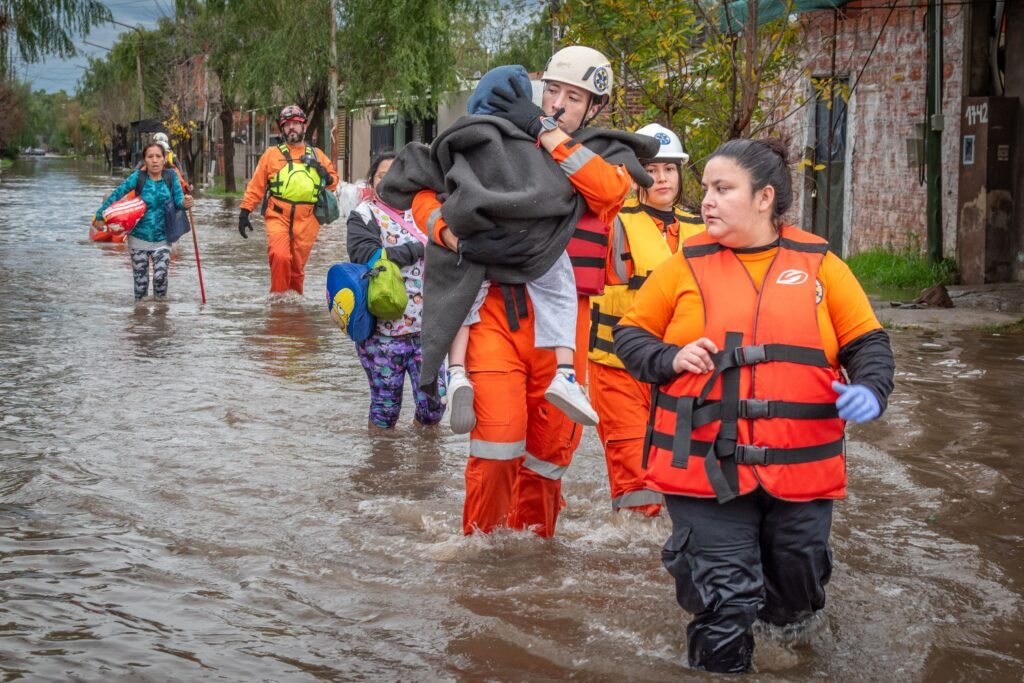
Large parts of the world experienced severe weather in 2026, including record-breaking heatwaves across Europe, Asia, Africa and North America, destructive flash floods in Nepal, and wildfires that spread smoke haze over Western Europe and parts of the northeastern United States. Southeast Asia also faced some of its worst wildfire smoke since 2015, while India recorded one of its weakest monsoon seasons in two decades, disrupting agriculture across the region.
Climate scientists, including those affiliated with the Intergovernmental Panel on Climate Change, have long linked this pattern of intensifying extreme weather to rising global temperatures driven by the burning of fossil fuels. Warmer air holds more moisture, which can fuel heavier rainfall and flooding, while prolonged heat and dryness create conditions favorable to large, fast-moving wildfires. Rising sea-surface temperatures have also been cited as a factor in strengthening storms and altering monsoon patterns.
Government data from past years supports the broader trend: in the United States alone, federal weather agencies have recorded a rising number of billion-dollar weather disasters over the past two decades, a trend officials have attributed in part to a changing climate combined with more people and property in vulnerable areas. Natural climate cycles, such as El Niño, can further amplify these effects in a given year, layering short-term variability on top of a longer-term warming trend.
Scientists caution that no single storm or heatwave can be attributed to climate change alone, but they say the increasing frequency and severity of such events is consistent with decades of climate modeling. Continued monitoring, emissions data and disaster-cost tracking are expected to remain central to how governments and insurers assess climate-related risk in the years ahead.
The insurance industry has emerged as one of the clearest economic indicators of the trend. Analysts have described rising numbers of insurers scaling back or withdrawing coverage entirely in regions repeatedly hit by wildfires, floods and severe storms, citing unpredictable losses that make long-term underwriting difficult. In some high-risk markets, homeowners have faced steep premium increases or been left to rely on state-backed insurers of last resort, a shift that economists say effectively transfers a growing share of climate risk onto governments and taxpayers.
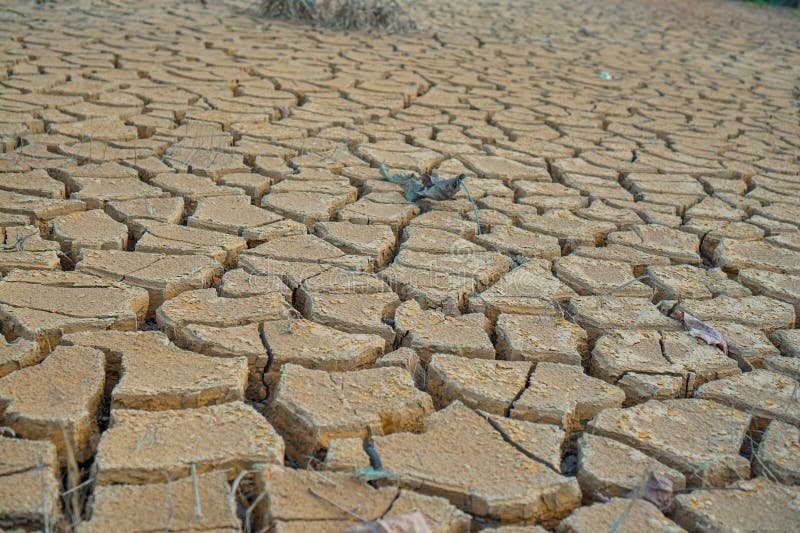
Governments and cities have responded by investing in adaptation measures alongside longer-term efforts to reduce emissions, including upgraded flood defenses, early-warning systems for heatwaves and wildfires, and revised building codes intended to withstand more extreme conditions. Public health officials have also expanded heat-response plans, such as cooling centers and adjusted outdoor-work guidelines, as extended heatwaves have been linked to rising rates of heat-related illness and death in vulnerable populations, including the elderly and outdoor workers.
The policy response remains a subject of ongoing international debate. Negotiations held under the United Nations Framework Convention on Climate Change have repeatedly grappled with disagreements between wealthier nations and developing countries over funding for climate adaptation and loss-and-damage compensation, as well as the pace at which fossil fuels should be phased out. Some policymakers and commentators argue that the economic costs of rapid decarbonization are being underweighted relative to climate risk, while most published climate science continues to identify continued fossil-fuel emissions as the primary driver of the warming trend behind the disasters recorded this year.
Sources: This report draws on climate reporting from Greenpeace International, Euronews and U.S. federal weather-agency data, alongside independent analysis by Aurax News.