
|
Getting your Trinity Audio player ready...
|
Prime Minister Kamla Persad-Bissessar says operations will be limited to government-held areas. Her statement follows passage of a new crime bill.
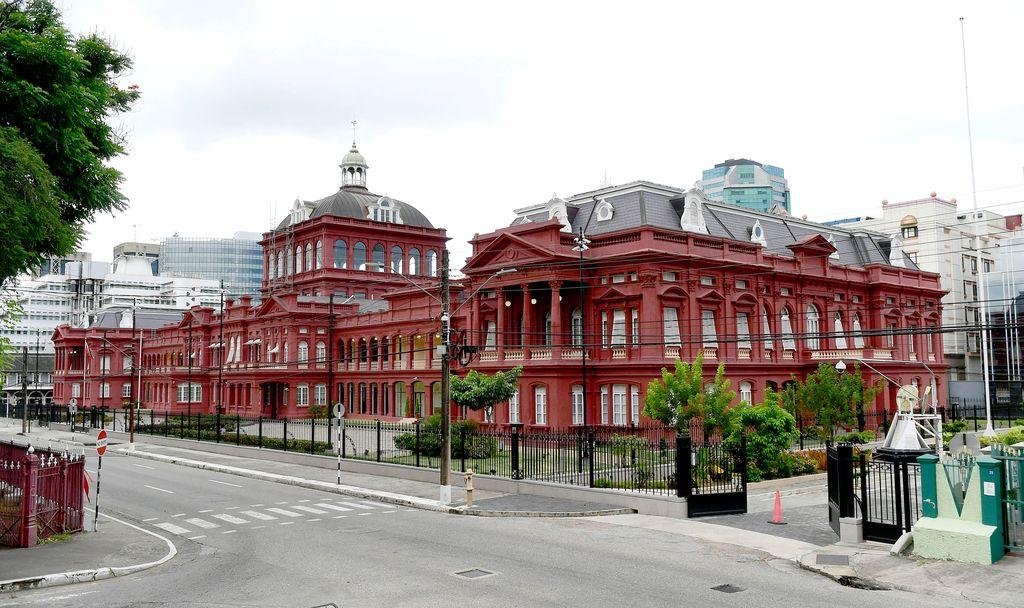
Prime Minister Kamla Persad-Bissessar says she will limit special operations under the government’s proposed Special Operations Bill to areas represented by the governing United National Congress, along with two constituencies represented by the Tobago People’s Party.
In a social media statement Monday, Persad-Bissessar said special operations would be authorised in the 26 UNC-held parliamentary constituencies and 70 UNC-held local government electoral districts. She also said operations would be authorised in the two TPP-held constituencies after consultation with Tobago Chief Secretary Farley Augustine. The figures correspond with the current parliamentary structure, which includes 41 constituencies nationwide, 39 in Trinidad and two in Tobago.
Persad-Bissessar made the announcement as the government faces opposition criticism over the Special Operations Bill, 2026. The legislation would establish policing districts and provide for special operations involving police, with military assistance from members of the Defence Force where authorised. It also provides for human-rights and use-of-force training, reporting requirements and protocols governing cooperation between police and military personnel.
The prime minister accused PNM MPs, councillors and supporters of opposing the legislation and said she would not force communities to accept special operations. She also alleged that communities represented by the opposition would be left exposed to violent criminal gangs and drug trafficking if they rejected the government’s proposed approach. Those assertions were part of Persad-Bissessar’s political statement and were not independently established by the sources reviewed.
The Special Operations Bill passed the House of Representatives on Sept. 19 after completing committee stage the previous day, according to Parliament’s legislative record. The bill is scheduled for consideration in the Senate, where further parliamentary debate will determine its progress.
The legislation has also prompted questions from civil society and other stakeholders about how special operations would affect communities and lawful activities. Pan Trinbago, for example, has asked the government for clarification on how the proposed law could apply to steelbands, panyards, rehearsals and related cultural activities.
The government’s proposal comes against the backdrop of an extended national focus on violent crime and the use of extraordinary policing measures. Earlier this year, the government extended the State of Emergency through September, while opposition lawmakers argued that emergency measures should not become a substitute for longer-term crime policy.
Sources: Trinidad and Tobago Parliament, Trinidad Guardian, TTT News and 103.1FM.