
|
Getting your Trinity Audio player ready...
|
U.S. military costs for the Iran war have reached $43.6 billion, with weapons accounting for much of the spending.
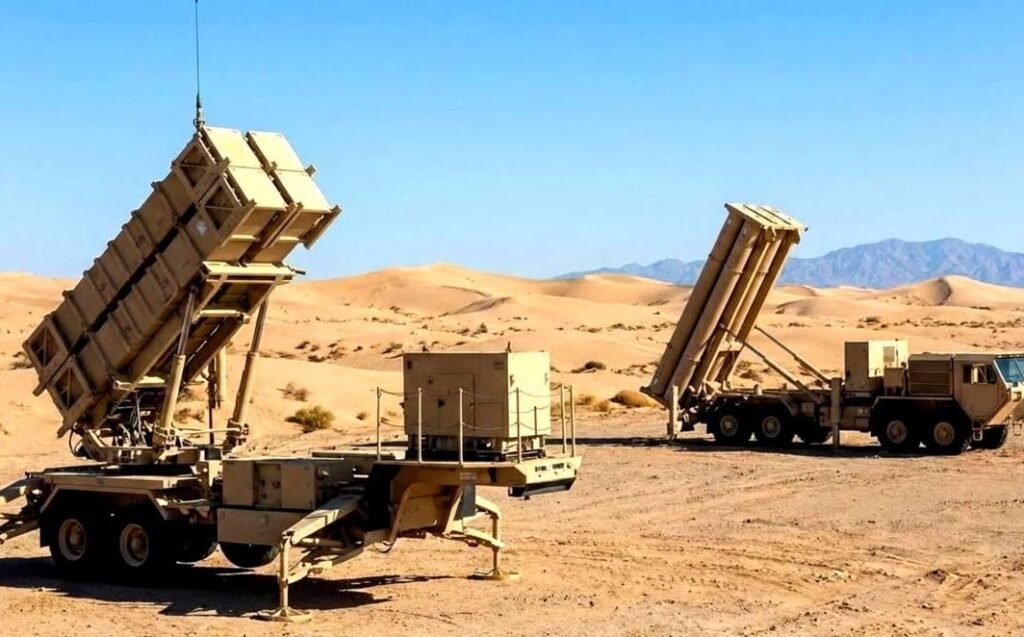
The U.S. military estimates its Iran war costs have reached $43.6 billion through Sept. 3, driven largely by weapons use. The figure excludes future expenses and damage to several American military facilities across the Middle East.
WASHINGTON — The U.S. military estimates that the United States has spent or committed about $43.6 billion on its war with Iran through Sept. 3, according to an updated assessment provided to members of Congress this week. The figure represents the latest Pentagon estimate since the conflict began Feb. 28 and is higher than previous government estimates.
The estimate from U.S. Central Command includes about $11.2 billion in operating expenses and $32.4 billion in costs associated with replacing weapons, damaged equipment and other military assets. Spending on munitions alone reached about $28.1 billion, making it the largest component of the estimate, according to the Associated Press and The Washington Post.
The latest figure is about $5.6 billion higher than an earlier estimate reported in August. The Congressional Budget Office estimated earlier this week that the conflict had cost about $38 billion through Aug. 1 and could add another $2 billion to $3 billion a month depending on the intensity of military operations.
The military’s estimate does not include the cost of repairing or replacing numerous buildings and other structures at U.S. bases that have been damaged by Iranian missile and drone attacks across the Middle East. A Pentagon inspector general report identified damage at American facilities in Kuwait, Bahrain, Qatar, the United Arab Emirates, Saudi Arabia, Iraq, Oman and Jordan.
The conflict has also placed pressure on U.S. stocks of missile-defense interceptors. Patriot and Terminal High Altitude Area Defense, or THAAD, interceptors have been heavily used during the fighting, with U.S. and NATO officials warning that supplies in Europe have fallen to critically low levels. Saudi Arabia has also faced shortages as it deals with continued attacks involving regional militant groups.
The financial estimate comes as the Trump administration seeks additional defense funding. The White House has requested a $95 billion package from Congress to support the Iran war and other defense priorities, while the administration has proposed a $1.5 trillion military budget for the next fiscal year.
The war has also resulted in U.S. military casualties. Pentagon figures cited by AP show 18 American service members killed and more than 830 wounded. The broader economic effects have included disruptions to regional energy markets and pressure on oil prices, while the longer-term cost will depend on the duration and intensity of the conflict.
Democratic senators have called for a fuller accounting of the war’s expenses, arguing that Congress and the public need more detailed information about the financial burden. The Pentagon’s latest estimate provides a more current accounting but does not represent the final cost of the conflict because it excludes several future and reconstruction expenses.
Sources: The Associated Press, The Washington Post, Congressional Budget Office, WTOP, NDTV and The New York Times.