
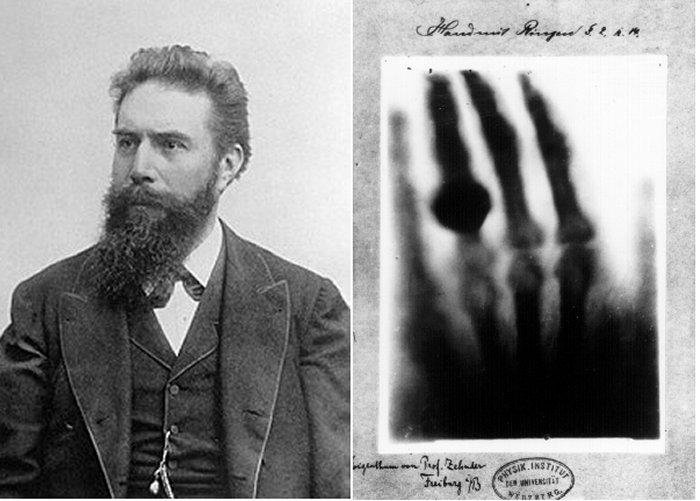
German physicist Wilhelm Conrad Röntgen discovered X-rays on Nov. 8, 1895, while experimenting with electrical discharges in a laboratory in Würzburg. He noticed that a fluorescent screen glowed even though it was positioned away from the apparatus and shielded from visible light. Further experiments revealed a previously unknown form of radiation capable of passing through certain materials and producing images of internal structures.
Röntgen’s discovery revolutionised medicine by allowing doctors to examine bones and other internal structures without surgery. His work earned him the first Nobel Prize in Physics in 1901. X-ray technology subsequently became an essential tool in medical diagnosis, dentistry, scientific research and security screening.